

The Senate has approved a plan to partially reopen the Department of Homeland Security, sending it back to the House. The proposal restores core agency funding while carving out immigration enforcement for a separate fight.
The bill funds DHS through the end of the fiscal year, restarting operations at agencies like TSA and the Coast Guard, but leaves out immigration enforcement.
Instead, Republicans are preparing a second measure to fund Immigration and Customs Enforcement and Border Patrol through budget reconciliation — a path that avoids Democratic votes in the Senate.
GOP reverses course after internal standoff
The agreement flips the House position from just days ago. Speaker Mike Johnson had rejected the Senate-backed plan, but is now aligned with Senate leadership and the White House on a two-step approach.
Senate Majority Leader John Thune, who pushed the earlier bill through, is now working with House leaders to advance it.

The shift comes after direct pressure from President Donald Trump, who backed the strategy and set a June 1 deadline for a separate immigration funding bill.
Immigration funding moves to GOP-only track
In this setup, immigration enforcement funding moves into a Republican-only bill. That allows the party to bypass the filibuster and pass it without Democratic support.
“In following this two-track approach, the Republican Congress will fully reopen the Department, make sure all federal workers are paid, and specifically fund immigration enforcement and border security for the next three years,” Thune and Johnson said in a joint statement. “In return, Democrats will once again demonstrate to the American people their support for open borders and keeping criminal illegal immigrants in America.”
Democratic leaders have refused to approve additional funding without new limits on how federal agents operate. Those restrictions are not included.
Republicans say existing funds approved last year will keep ICE and Border Patrol running while they build the new bill.
House timeline still unsettled
The measure now heads back to the House, which rejected it last week. Republican leaders are now expected to take it up after reaching an agreement with Senate leadership.
It’s not clear when a vote will happen. Lawmakers are on a two-week recess and holding only brief sessions.
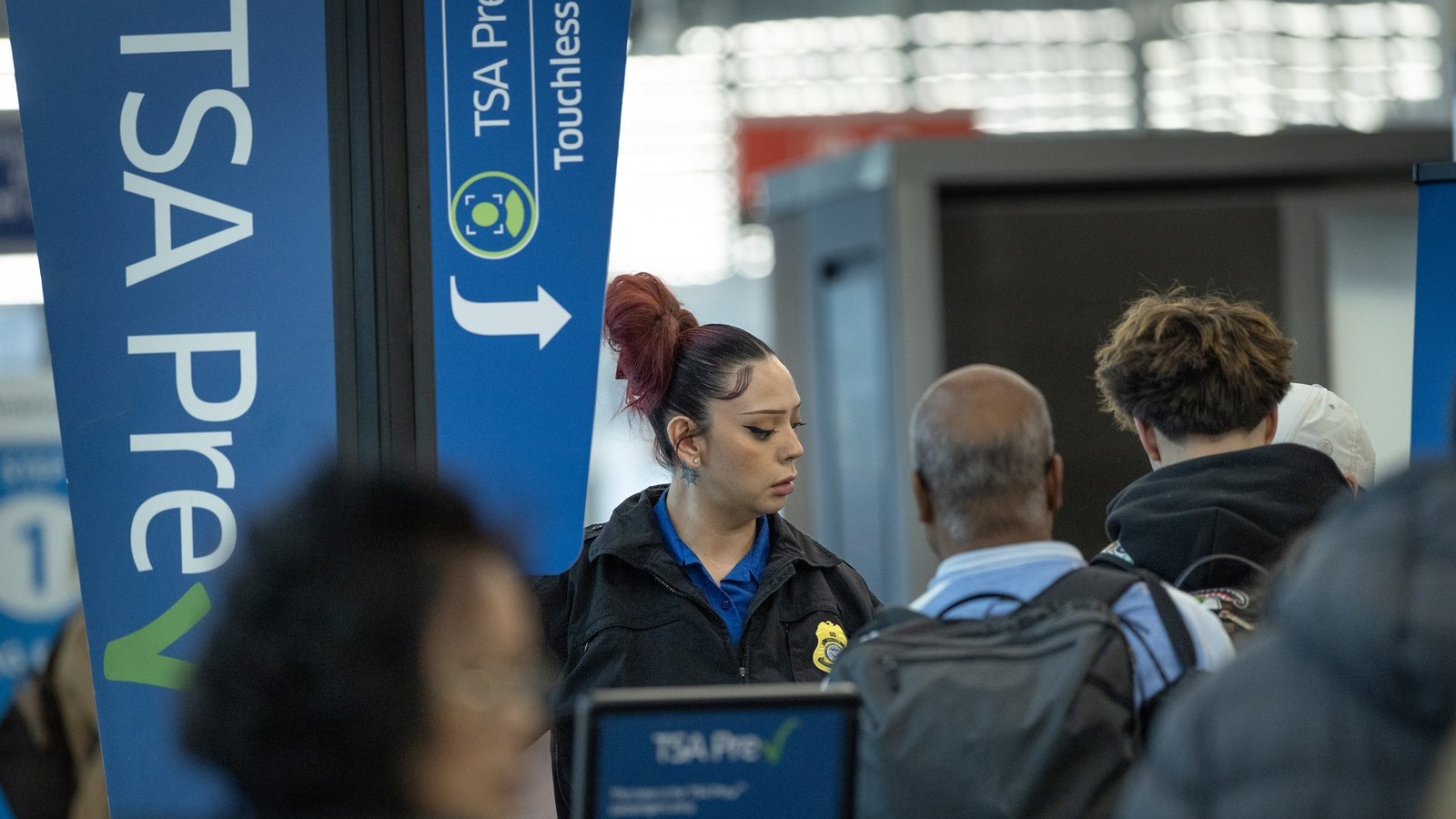
The shutdown is already showing up at airports, with delays tied to TSA staffing gaps.

Lawmakers have a narrow window to pass the funding bill and avoid further disruption, while preparing for a second, more contentious vote on immigration enforcement.