

Facing DUI and other charges after rolling his Land Rover in Jupiter Island, Florida, golfer Tiger Woods is demanding a trial by a jury of his peers — or, at least, of fellow Floridians.
But Woods’ attempt to exercise his Sixth Amendment right to a “speedy and public trial” underscores a key reality in the American criminal justice system: Asking for a trial is typical. Actually going to trial is extremely rare.
The vast majority of cases across the country are resolved through a routine, yet little understood, mechanism: the plea bargain.
Nationwide, more than 90% of criminal defendants, including 98% in federal cases, take a plea deal, according to the American Bar Association.
However, it is not at all uncommon to preserve a defendant’s Sixth Amendment right in a case’s early stages, attorneys say.
“This is always practice for criminal defense attorneys to automatically plead not guilty and request trial by jury, and request discovery,” David Weisselberger, a managing partner of the Florida-based expungement law firm Erase the Case, told Straight Arrow News. “It’s evoking fundamental constitutional rights.”
“Some of the main reasons for not going to trial is, one: the sheer overload of criminal cases compared to the number of available prosecutors, criminal defense attorneys, and courtrooms,” Weisselberger said. “And two, the inherent risk involved in going to trial. If you’re found guilty, you’re potentially serving a lengthier prison sentence than if you secure a lower sentence through a plea bargain. … I wish Tiger well, and people use Uber to avoid these kinds of situations.”
Plea deals often are equally pushed by defense attorneys, prosecutors and judges to keep America’s overburdened, overcrowded justice system from collapsing under its own weight.
But some legal experts and justice reform advocates say there is something secretive— even nefarious — about plea bargaining.
The Vera Institute for Justice, which advocates against mass incarceration, says plea bargains are part of “an informal and unregulated process by which prosecutors and defense counsel negotiate charging and sentencing concessions in exchange for guilty pleas and waivers of constitutionally guaranteed trial rights.”
“[T]here are concerns about plea bargaining’s coercive nature, its role in encouraging the forfeiture of procedural protections, and its role in fueling mass incarceration,” the organization said.
Plead guilty, or wait for trial in jail?
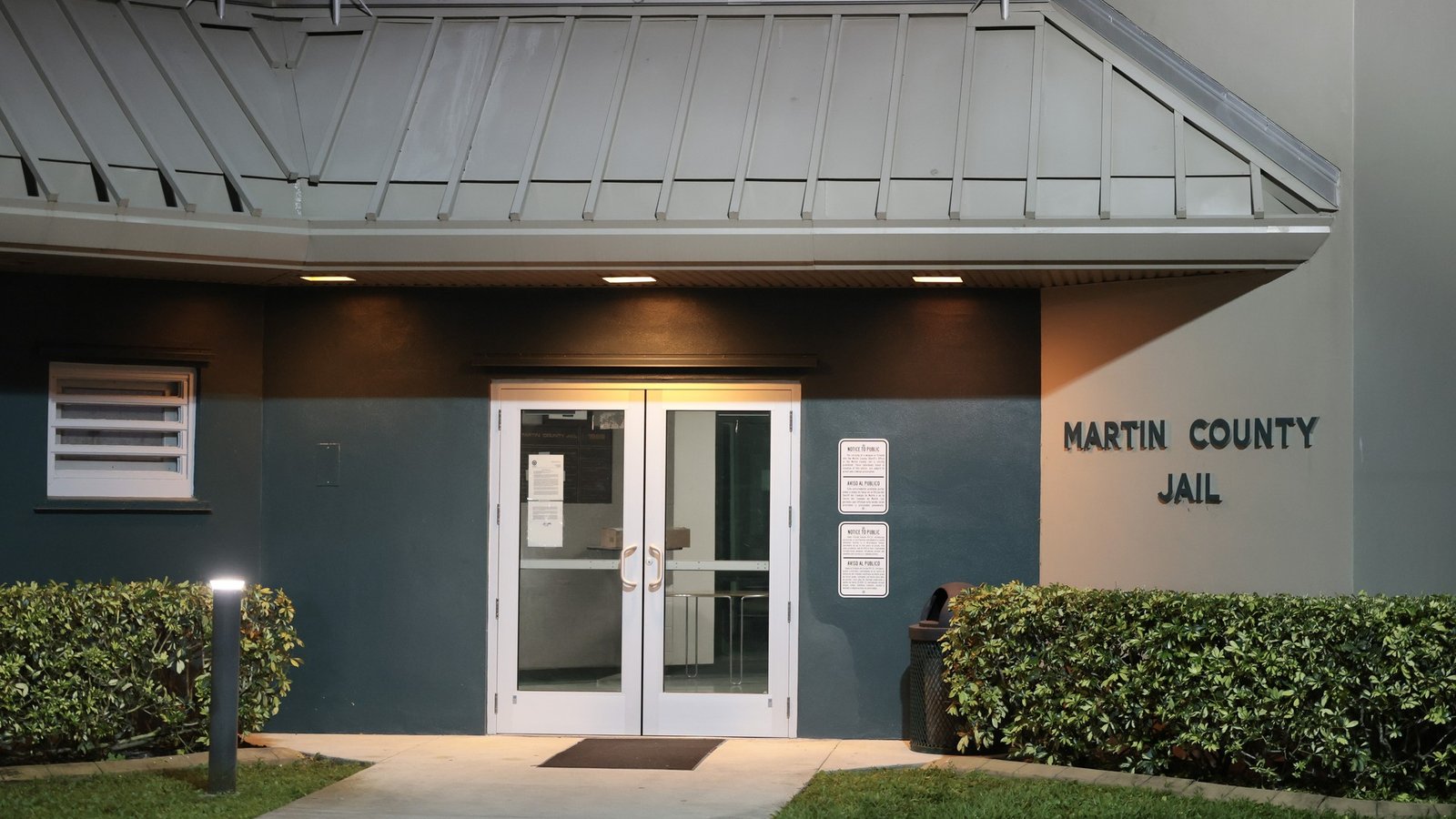
These realities are often felt by those in city and county jails. That’s where a majority of America’s incarcerated people are held — not in prisons. Many cannot afford bail while waiting for their day in court, so they remain jailed for months or even years without being convicted.
Their physical bodies, under the control of the sheriff or corrections departments or warden, serve as collateral to ensure they show up before a judge. This can be costly in many ways. Removing someone from society for months or years may also remove them from school, their jobs, their financial responsibilities.
It can also be costly for taxpayers. For instance, New York City spends $30 million alone on transporting people from its jails on Rikers Island to courthouses in the city’s five boroughs.
Many people feel forced to accept plea bargains to not have to wait in jail any longer.
An earlier guilty plea
This is not the situation for Woods.
He was released after posting a bond of $1,150 after his March 27 arrest on charges of driving under the influence with property damage and refusing to submit to a urinalysis. However, unlike most others awaiting trial, Woods is being allowed to leave the United States to seek inpatient treatment and, perhaps not incidentally, evade a media spotlight.
“Ongoing medical scrutiny and public exposure create significant barriers to his care and would result in setbacks and an inability to fully engage in treatment,” Woods’ lawyer, Douglas Duncan, wrote in a court motion.
Duncan also represented Woods after his DUI arrest in 2017. Woods resolved that case by pleading guilty to reckless driving. He completed a DUI diversion program and was put on probation. He also served 50 hours of community service.
The new DUI charge carries a potential sentence of up to six months in jail. However, lawyers quoted in multiple media outlets suggested Woods is unlikely to go to jail. And Tarlika Nunez-Navarro, a former Florida judge who is the law dean at St. Thomas University in Miami Gardens, told People magazine that, if he takes the case to trial, Woods’ lawyers could challenge police reports saying he showed signs of impairment after the accident.
“They can do that based on Tiger’s medical history, his surgeries, the fact that he just rolled his car over,” Nunez-Navarro said. “They can say that, essentially, he just rolled his car. He climbs out of his passenger window. He has all of these past injuries, that’s why he could not walk a straight line.”