

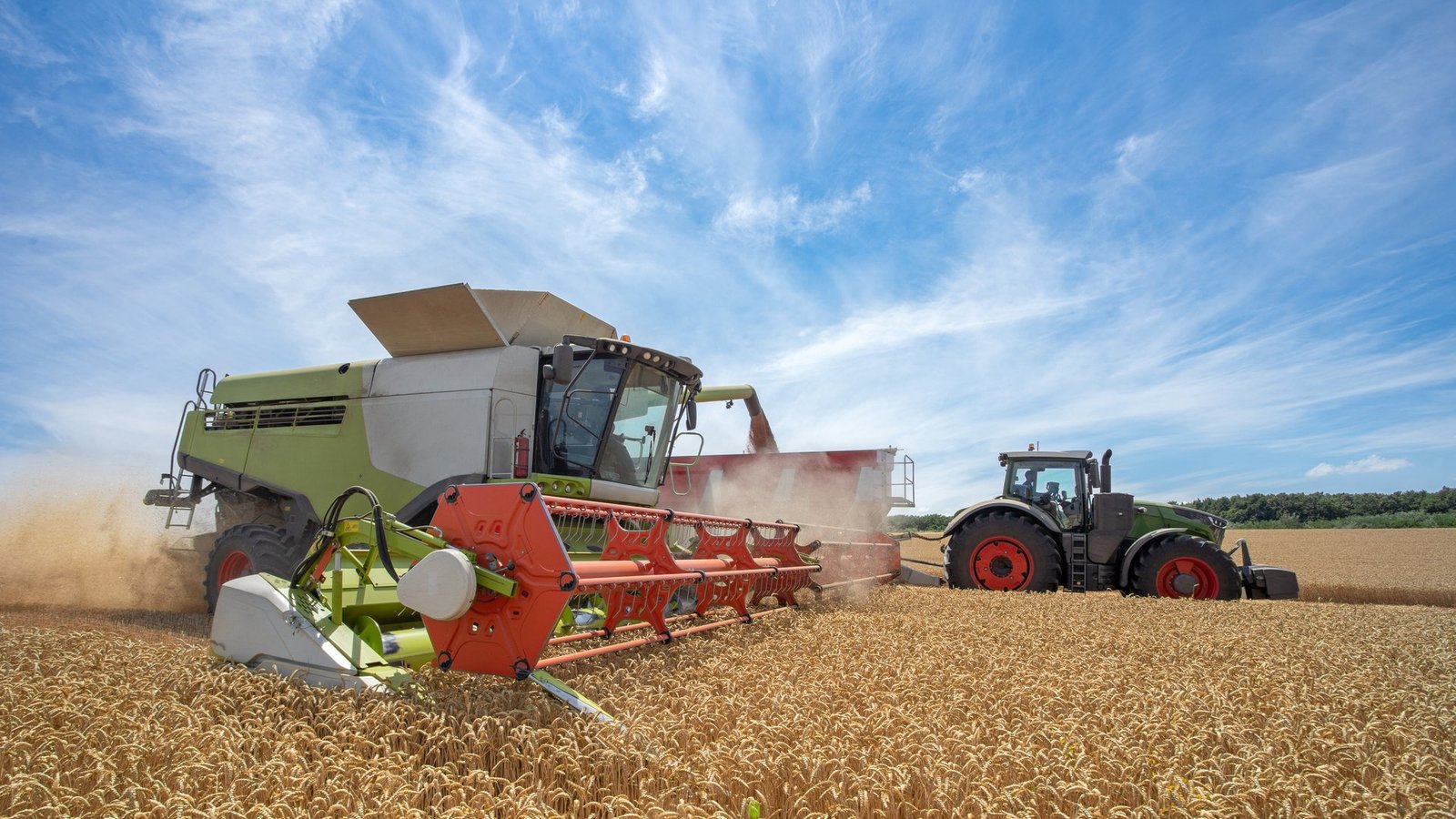
Federal immigration crackdowns, and the fear that results from them, have farmers worried they might not have enough workers this harvest season.
This comes at a time when more and more farms have been closing nationwide.
“It just causes a lot of stress, a lot of anxiety, a lot of fear, in a community and an industry that already is facing incredible pressures and incredible stressors,” Ben Tindall, executive director of Save Family Farming, told Straight Arrow News.
Zachariah Rutledge, an assistant professor in the Department of Agricultural, Food and Resource Economics at Michigan State University, said immigrants play a very large role in U.S. agriculture. Around 70% of agricultural workers in the U.S. are from different countries.
Farmers in Washington state have reported seeing an increase in their workers being detained in recent weeks, according to Save Family Farming.
“We were told that ICE and immigration crackdowns were focused on the worst of the worst,” Tindall said. “We’re not seeing that play out here locally. We’re seeing farm workers who have been here for years and have been diligently working on the field — we’re seeing some of them now being targeted.”
Washington berry farmer Randy Kraght experienced that firsthand. Two undocumented men who worked for him for 12 years were arrested in March, then ultimately deported to Mexico.
“They haven’t even had a traffic ticket, either one,” he said. “… You can trust them with everything. They’re always so worried about doing one little thing wrong. They’re super conscientious people.”
Where the men came from, Kraght said, it was impossible to make a living.
“They [were] in the United States for survival,” he said.
The Trump administration has defended its heightened immigration operations, saying they are trying to protect national security and keep people safe. However, organizations that analyzed Immigration and Customs Enforcement data say it has shown that a majority of the people being apprehended have no criminal record.
This issue has been on the minds of farmers in Minnesota after Operation Metro Surge, during which thousands of federal immigration agents were deployed to the state.
Although that operation itself has since ended, Gary Wertish, president of the Minnesota Farmers Union, told Straight Arrow News farming communities still have a lot of concerns about workers leaving the area because of the focus that was placed on Minnesota.
“It happened in a couple month period, but it’s going to take, in some cases, years to get this corrected,” Wertish said. “It’s going to take time to get over this and hopefully rebuild trust.”
A 36-year-old dairy farmworker who spoke to the Minnesota Star-Tribune earlier this year said he and his colleagues spend their time off hiding in the trailer they rent from their employer because they’re scared of ICE.
The man, who is undocumented but applied for a visa a year ago, said the trailer had no running water, and he and his fellow workers wash their clothes in the same place they do the cows’ laundry.
Because they don’t feel they can risk a visit to the grocery store, the employees have to get community help for food, and started making their own tortillas, the dairy worker told the Star-Tribune.
“They’re detaining citizens. They’re killing people with papers,” he said. “Imagine what could happen to us.”
Potential impact on harvest
For vegetable growers especially, this season could prove more challenging, Wertish said.
“Will they get enough workers to put the crop in and they’ll take care of it and harvest it?” he asked.
Other farmers Kraght has talked to are “real concerned” as well.
“In fact, they figure they’ll probably have to leave some stuff in the field,” leading to a loss in profits, Kraght said.
Agriculture had been facing a labor shortage to begin with.
“Over the past decade, there’s been a trend that has shown a decline in the number of workers able and willing to work on U.S. farms,” Rutledge said. “And there’s a number of factors that have led to that. But one of the factors is that we have an aging farm workforce that is just not being replenished with young immigrant workers at the rate that it once was.”
Rutledge conducted a study at the end of 2025 with the California Farm Bureau, which looked at the impact of immigration enforcement actions in the state.
Among the 512 farmers polled, 15% reported labor losses because of federal immigration activity, or workers’ anxiety from media or other reports about it. Less than 1% surveyed said they had any direct immigration enforcement on their farm, though.
In those cases, Rutledge said, “it’s more about the fear and anxiety of being subject to the possibility of having immigration enforcement come to the farm.”
About 8% of people surveyed said they saw operational disruptions connected to federal immigration enforcement, including having to shift work to nighttime hours, higher operating costs and longer hours.
Rutledge noted that the statistics aren’t necessarily representative of the entire population of California farmers, just the ones who decided to reply to the survey.