

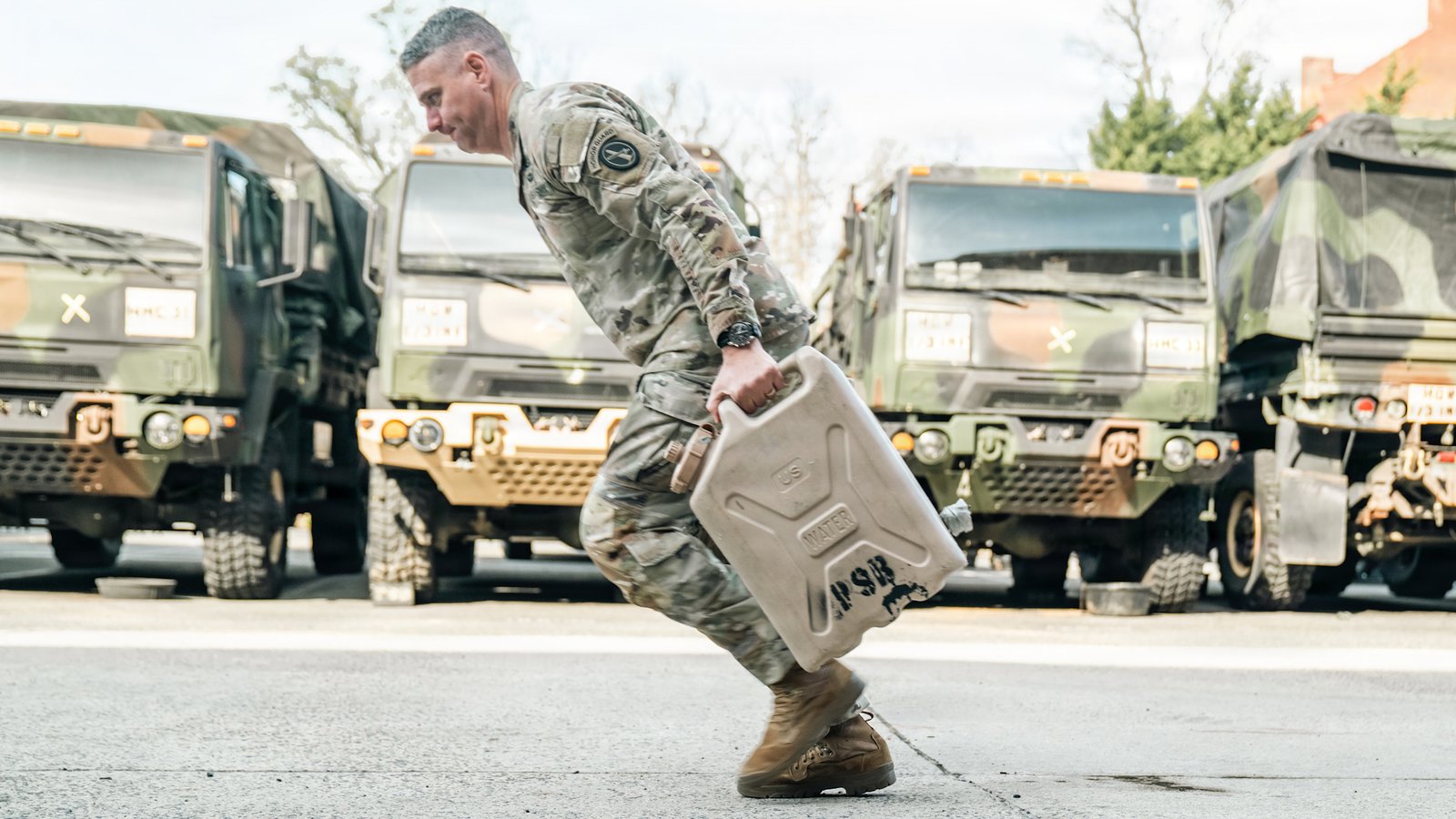
The Army says it is adding an annual, combat-focused fitness test for soldiers in front-line specialties, creating a tougher, gender-neutral standard on top of the service’s existing baseline fitness examination.
The new Combat Field Test will apply to soldiers in specialties such as infantry, armor, Special Forces and explosive ordnance disposal, as well as to artillery officers, forward observers, combat engineers, engineering officers and Army divers. The shift follows Defense Secretary Pete Hegseth’s push for stricter physical requirements for frontline combat roles.
Why the new combat test matters
The policy is about more than one new test. It points to a broader readiness question: who can meet combat demands, and whether the Army is tightening standards while weight and overall fitness remain persistent concerns across the force.

A 2023 American Security Project report found that 68% of active-duty service members are overweight or obese. The report noted that obesity has become a significant readiness issue tied to recruiting, injuries, medical discharges and long-term health.
That makes the Army’s new test part of a wider debate. Supporters argue that it better reflects the physical demands of combat. But the move also draws attention to the gap between the standards the Army wants for combat troops and the health profile of much of the force it already has.
What the Army says the new test requires
The Combat Field Test must be completed in 30 minutes and includes two one-mile runs, 30 dead-stop pushups, a 100-meter sprint, 16 sandbag lifts, a 50-meter carry of two 40-pound water cans and a 50-meter movement drill that combines a high crawl and short rushes.

Under the new guidelines, active-duty troops in frontline roles must pass both the new combat assessment and the standard baseline test every year. Guard and Reserve soldiers in those roles will alternate between the two tests annually.
The Army said the new test is meant to measure whether soldiers in the most physically demanding specialties are prepared for modern combat. Army Secretary Dan Driscoll said in a statement that the test is about “readiness, lethality and the well-being of our soldiers.”
The consequences will not be immediate, as the Army is giving units time to adjust. Failures on the new test will not count against active-duty soldiers for one year, but troops who fail the assessment twice after the grace period risk being removed from the military or moved into support roles.
How the Army is changing fitness standards
The new Combat Field Test signals the Army’s conclusion that general fitness and combat fitness are not the same thing.
At the same time, the Army is still wrestling with the everyday factors that shape readiness. Finding nutritious meals on military bases can be challenging, and internal reports indicate that approximately 25% of service members struggle with alcohol misuse. The Army has also spent years revising how it measures fitness after concluding older models centered on running, sit-ups and push-ups did not match the demands of Iraq and Afghanistan.
The new test arrives in the middle of a larger, unresolved problem. Tougher standards may clarify what the Army expects of combat troops, but they do not, by themselves, explain why so many service members struggle with weight, nutrition and overall fitness in the first place.
Commanders will begin implementing the assessment over the next few weeks. Active-duty soldiers will get a 365-day grace period before failures count against them. For part-time soldiers, that grace period will last 730 days.