

The health of U.S. presidents has become a hot-button topic in recent years, with many Americans questioning whether men like former President Joe Biden and President Donald Trump are fit to serve, given their ages and medical histories.
But presidents aren’t the only ones dealing with illness, conditions and aging. So are lawmakers and other public officials — but none seem to be talking about it, and if they do, it’s after the fact or includes very minimal details.
Now, it’s becoming a much more common conversation as the average age of Congress has reached record levels.
It all begs the question: what do politicians really need to disclose while in office when it comes to their health and fitness to serve?
Disappearing politicians
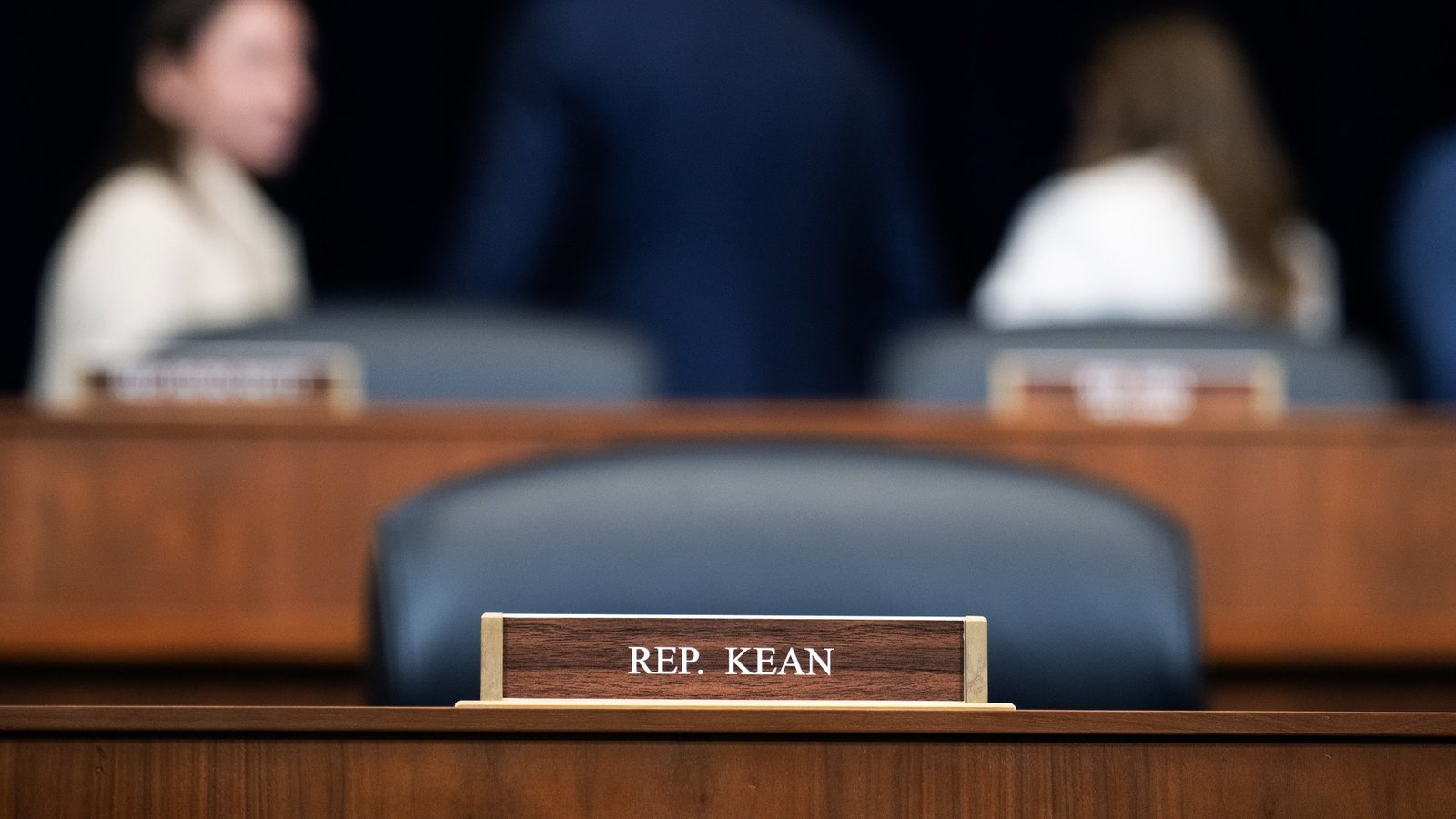
Rep. Tom Kean Jr., R-N.J., just won his party’s nomination for re-election, but he hasn’t been seen in New Jersey or Washington, D.C., for that matter, in months. Reports suggest he has missed more than 100 votes in Congress and was last seen on March 5.
His lack of public appearances has many asking about his whereabouts. Well, about a month after he was last seen, Kean’s staff said the congressman was dealing with a medical issue. But beyond that, there’s no information or details. He’s simply not in the Capitol.

And Kean is not the first politician to “disappear.” In December 2024, The Dallas Express reported former Rep. Kay Granger hadn’t been seen in months. She cast a vote in July 2024, and it turned out to be the final vote of her term.
She didn’t seek re-election in 2025, and the Dallas Express reported that she was serving in Congress from an assisted living facility. Her son later shared that his mother developed “some dementia issues late in the year.”
Undisclosed conditions and late timing
In addition to disappearing lawmakers, there are others currently serving in Congress who work daily but are battling a condition or disease without disclosing it. At least, they’re not the ones disclosing it.
In January, Rep. Neal Dunn, R-Fla., announced he would not seek re-election, saying he wants to “pass the torch to new conservative leaders” and spend time with family. No mention of health issues.
But a few months later, Trump revealed Dunn had a terminal diagnosis for a heart problem, saying the congressman would have been “dead by June.” House Speaker Mike Johnson, R-La., called out the president for the comment, saying, “OK, that wasn’t public.”
Since then, Dunn hasn’t acknowledged his health, but Trump says thanks to medical care he facilitated, Dunn has a “new lease on life.” The president reportedly referred Dunn to a specialist at Walter Reed, where he received emergency surgery.
Others have shown symptoms of illness but discount questions with explanations that only invite more skepticism. Rep. Paul Gosar, R-Ariz., has dodged questions about his health for more than a decade. He’s exhibited hand tremors, swaying and erratic head shaking during public appearances. Gosar has blamed the mannerisms on occupational injuries during his time as a dentist, but it hasn’t dispelled theories that the congressman is suffering from a neurological disease such as Parkinson’s.

Then you’ve got lawmakers who willingly disclose their health condition, but not necessarily in a timely manner. For example, Rep. Joaquin Castro, D-Texas, revealed he was diagnosed with cancer and underwent surgery in February 2023. He made that announcement after the fact.
And more recently, former Attorney General Pam Bondi shared a thyroid cancer diagnosis, but after she’d had surgery.
What are politicians required to disclose?
The fact of the matter is, when it comes to politicians’ personal health, they are not required to disclose anything. Theoretically, a politician with a terminal cancer diagnosis could run for Congress, win and start their term, knowing they won’t live to see the end of it.
The only semi-related legal standard is the 25th Amendment, which states that if the vice president and most of the president’s Cabinet (or another group that Congress has designated) formally tell Congress in writing that the president cannot do the job, then the vice president immediately takes over the president’s powers and responsibilities as acting president.
Despite a lack of requirement to disclose, some politicians still choose to release their records, but often as a political move. Trump vowed to release his records while running for president in 2024. This, after he spent much of the campaign questioning if Biden was still fit to serve.
After Biden dropped his re-election bid, leaving Trump to face then-Vice President Kamala Harris, Harris released her records and urged Trump to do the same. That move came after questions began to mount over Trump’s cognitive health.
Since returning to office, Trump has had three medical evaluations or physicals. He’s released reports from those evaluations, but it’s unclear whether they include all the details of his health.
On Thursday, The Washington Post reported the president took a hair-loss drug for years, before and during his first term. That drug, however, no longer appears on his medical records. Whether he’s still taking it and not disclosing it or has stopped taking it altogether is a mystery.
Also remaining a mystery is whether Sen. Mitch McConnell, R-Ky., is struggling with any health issues. His fitness to serve and cognitive health have been called into question after several instances where he was seen freezing on camera.

And while some argue lawmakers should be required to at least disclose medical information that affects their fitness to serve, there are no parameters for what “fit to serve” actually means.
Impact on voters
Whether a politician is “fit to serve,” however, is definitely on voters’ minds. In recent election cycles, many Americans have focused on age. Both Trump and Biden were in their 70s when campaigning, but it wasn’t their actual age that was the concern — it was their fitness to serve.
It’s led to debates over age limits in Congress and the White House and has definitely been a factor in people’s voting choices. One could argue that health conditions, if disclosed, would also play a role.
If there are two people running for a House seat from the same party, but one has a serious cancer diagnosis or even a mental health condition, that may concern some voters.
Round out your reading
- Plea bargains keep America’s courts running. Guilt or innocence barely matters.
- Trump says the media isn’t covering one of his biggest accomplishments. We checked.
- Mike Lindell denied MyPillow was hacked. Its private data is now online.
- Red meat allergy rises with ticks as HHS targets Lyme disease, alpha-gal syndrome.
- We’re building a new Straight Arrow. Help us shape our future by taking our survey.