

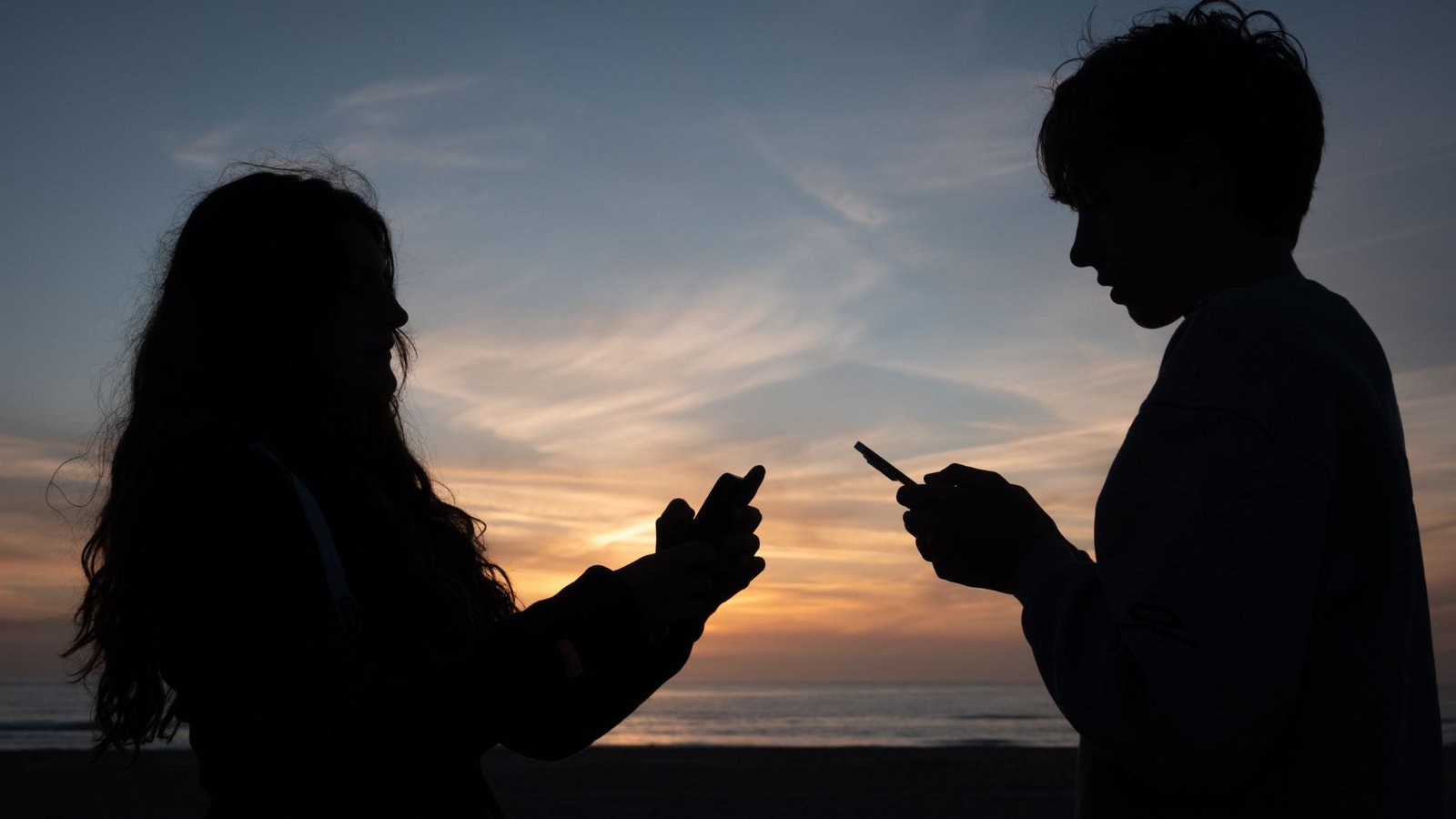
If there’s a will, there’s a way. The United Kingdom is finding that out as children across the nation search for ways to circumvent a potential social media ban for children under 16.
The proposed ban aims to protect children online, and research has shown that the overuse of social media and phones negatively affects children. But cybersecurity experts say the most obvious workaround, free VPN apps, could expose children to threats more immediate than scrolling on TikTok.
What is the ban?
On Monday, Prime Minister Keir Starmer announced the ban, saying that “children will be given back their childhoods thanks to government action,” according to TechRadar. The U.K. followed Australia’s lead, which banned social media for children in December. Other countries like Canada, Brazil and Indonesia have since introduced legislation or age-based restrictions of their own.
Starmer said the ban would apply to Snapchat, TikTok, YouTube, Instagram, Facebook and X, but not messaging services like WhatsApp and Signal. He also said that his government is prepared to confront big tech companies that resist these changes. He argued that the ban is necessary to protect children from harmful content.
The restrictions are popular in the U.K. During the public consultation phase of the legislation, the government received more than 116,000 responses to the ban, with more than 90% supporting restrictions on children under 16.
The government is planning to expand its restrictions to limit contact with children and adults they don’t know while on gaming and livestreaming platforms.
“Taken together, these measures will mean a much more comprehensive model than just a blanket ban on social media — one that responds to how children experience harm online, rather than just where it happens,” Starmer said.
How can children work around the ban?
There are ways around social media bans, and data from other countries show how many kids are likely doing it. An eSafety commissioner survey of nearly 900 Australian parents found that about 70% of children with social media accounts before the Dec. 10 ban maintained them after the ban took effect.
“While there are fewer under-16s with social media accounts than there were four months ago, it is clear significant numbers of children aged under 16 are still on social media,” Australia’s eSafety commissioner said.
The eSafety commissioner did note that authorities have not started fining social media companies for flouting the ban. It said the commissioner has investigations open into Snapchat, TikTok, Facebook, Instagram and YouTube.
One of the easiest and most widely used ways to circumvent the ban is using a virtual private network, or VPN. Children can download a VPN on their phones or other devices and hide their IP addresses. This allows them to appear as if they aren’t based in Australia or the U.K. and access social media sites or apps.
But cybersecurity researchers have found that some VPN providers track what a user does on the internet. Even more concerning, a study by cybersecurity researchers found that 38% of VPN applications contained code linked to adware or malware. Other studies found that number to be closer to about 10%. Adware is a type of software that displays unwanted ads on a person’s device, while malware disrupts or gains access to the device.
What’s next?
As the U.K. prepares to pass its social media ban, questions remain over how it would be implemented. Age verification would likely use methods such as ID checks, facial scanning or bank card verification, but social media platforms bear the responsibility for enforcement, not the government.
In Australia, where a ban is already in place, the eSafety commissioner issued guidance, telling platforms that they were expected to stop users from using VPNs. When TechRadar asked how companies could do that, Australian officials declined to comment.
It’s still unclear whether the U.K.’s ban will even take effect by next spring, but legislators are pushing for it to be put to a vote in the next few months.
“I want a vote on it by the end of the year, and I want it to come into force as early as possible in the first couple of months of 2027,” Tech Secretary Liz Kendall said Monday, according to BBC News.
But tech companies could choose to challenge the law in court through judicial review, the BBC reports, which could slow the timeline for the ban.
“Whilst primary legislation is effectively immune from challenge, secondary legislation is subject to review by the courts as it lacks the rigorous multi-stage scrutiny required for statutes,” Giulia Carloni, a senior associate at Winston Taylor law firm, told the BBC.
Round out your reading
- Could a common dietary supplement accelerate Alzheimer’s?
- NY AG Letitia James gets hundreds of taunts, racial slurs in ICE public reporting portal.
- As Musk becomes the first trillionaire, historian sees warning signs.
- An experimental weight loss drug is so effective, many Americans don’t care it’s not FDA approved.
- How search engine optimization reduced Simone Biles to an ‘NFL wife’.