

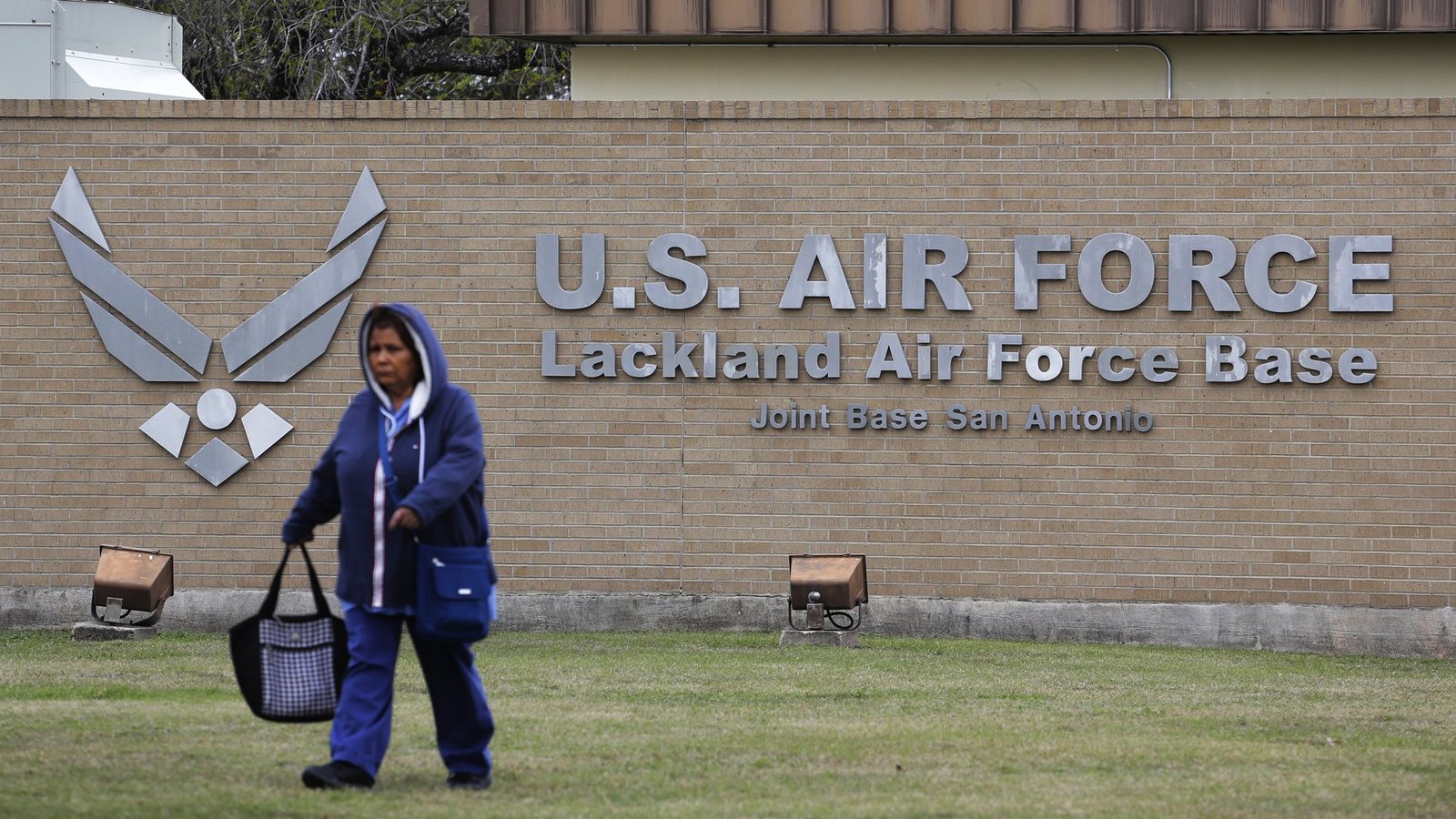
Nearly 160 recruits have been sickened by a flu outbreak at Lackland Air Force Base in Texas, prompting the Air Force to reinstate a flu-shot requirement for trainees. The move comes less than two months after Defense Secretary Pete Hegseth ended the military’s long-standing vaccine mandate.
The move leaves the Air Force’s largest training installation operating under a different policy than the one Hegseth announced in April, when he said service members should decide for themselves whether to get vaccinated.
Vaccination rates dropped
The New York Times first reported that the outbreak is concentrated within basic training units at Joint Base San Antonio-Lackland, where every enlisted Air Force and Space Force recruit begins military training.
Recruits live in large dormitories, sleep in open bays and spend most of their day training, eating and moving through the base together. Once flu cases began spreading, medical officials moved to isolate sick trainees and track those who had been exposed.
When Hegseth announced the policy change on April 21, he described mandatory flu shots as an overly broad requirement that limited medical autonomy and religious freedom.
“Our new policy is simple,” he said. “If you, an American warrior entrusted to defend this nation, believe the flu vaccine is in your best interest, then you are free to take it. You should. But we will not force you… It’s common sense.”
Since the policy took effect, only about 40% of Air Force trainees have chosen to receive the vaccine, according to figures reported by multiple outlets, including CBS News.
The Air Force has now made the shots mandatory again for recruits at Lackland as part of its effort to contain the outbreak.
Death remains under investigation
The outbreak has unfolded alongside the death of trainee Keon McDaniel.
According to The Times, McDaniel was in his sixth week of basic training when he suffered a medical emergency and was taken to Brooke Army Medical Center in San Antonio, where he later died.
The Air Force said his cause of death remains under investigation and has not linked his death to the flu outbreak.
Officials said recruits who become ill are receiving treatment, including antiviral medications, before returning to training.
Pentagon stands by the policy
Pentagon leaders are not backing away from the broader decision to make flu shots voluntary.
Sean Parnell, the Pentagon’s chief spokesman, said the April policy included provisions allowing military departments to require vaccinations when circumstances demanded it.
“The decisions were based upon thorough risk assessments and are designed to maximize operational readiness, lethality, and force generation, while safeguarding at-risk populations,” Parnell said in a statement.

The outbreak has also renewed criticism from some lawmakers who opposed the change from the start. Senate Armed Services Committee Chairman Roger Wicker argued in April that the vaccine requirement existed to maintain readiness and keep troops healthy enough to serve.
“You know, you do give up certain rights when you take the oath,” Wicker, an Air Force veteran, said at the time. “It’s just part of it.”
Round out your reading
- Could a common dietary supplement accelerate Alzheimer’s?
- NY AG Letitia James gets hundreds of taunts, racial slurs in ICE public reporting portal.
- As Musk becomes the first trillionaire, historian sees warning signs.
- An experimental weight loss drug is so effective, many Americans don’t care it’s not FDA approved.
- How search engine optimization reduced Simone Biles to an ‘NFL wife’.