

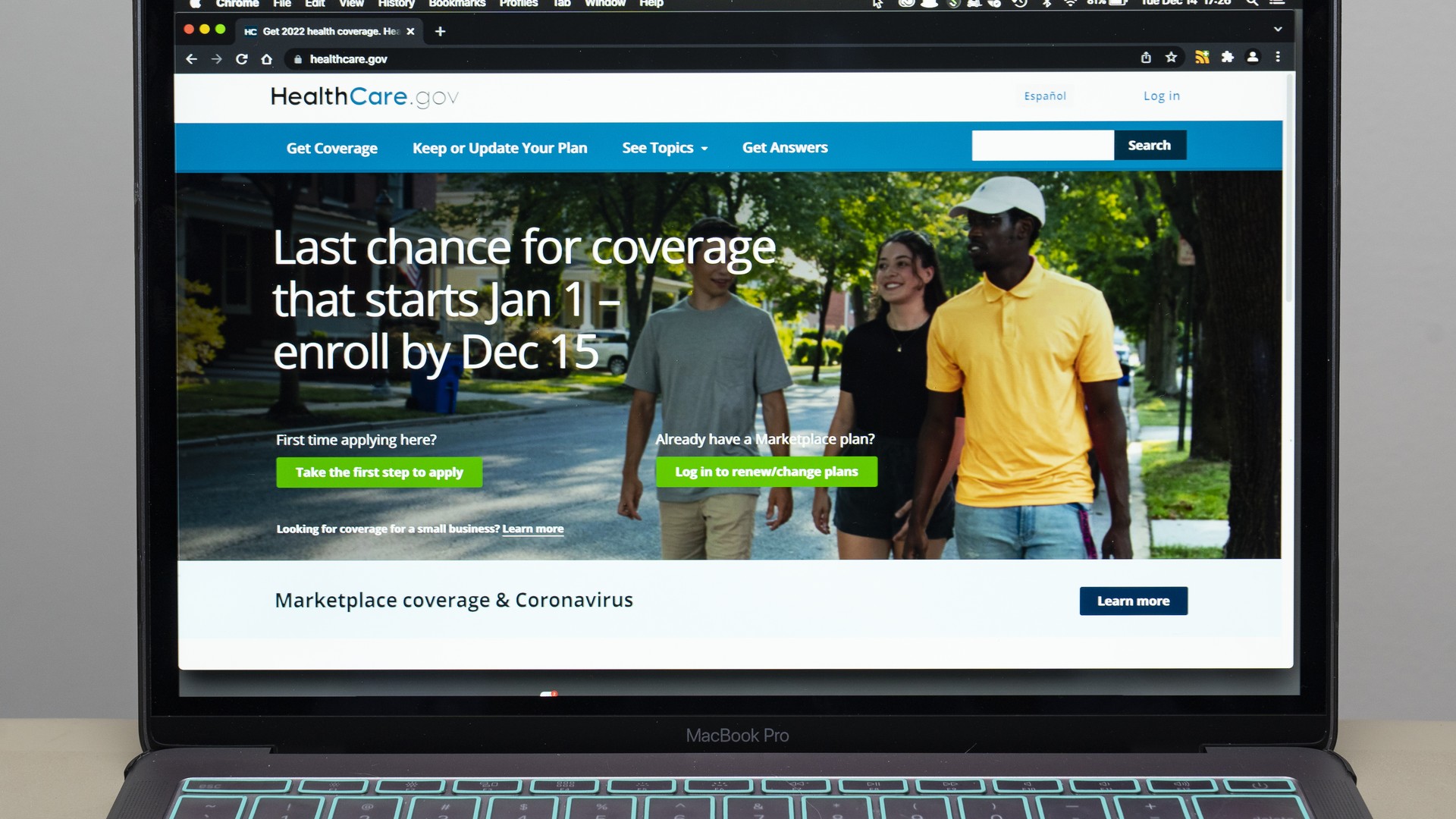
Despite significantly lower Affordable Care Act enrollment this year as a result of high premiums, insurers want to raise prices again. They already increased by double digits for millions of Americans in 2026, and come 2027, insurers want to do it again.
A new analysis of preliminary filings with state regulators by the Peterson-KFF Health System Tracker found insurers want to raise rates by a median of 14% in 2027. In 2026, the median increase was 20%.
The analysis looked at filings in 16 states and the District of Columbia. If approved, KFF estimated that it would be the second-highest rate increase since 2018.
Federal data shows that enrollment in the Affordable Care Act, also known as Obamacare, is already down by about 3 million people as of February. That’s about a 13% drop compared to the same time last year.
And with more and more healthy Americans dropping their plans due to high costs, average ACA enrollment is expected to be 17% to 26% lower in 2026 than 2025, according to an estimate by Wakely Consulting Group.
What companies are saying
Some of the biggest insurance providers under the ACA are calling for rate hikes in 2027.
Washington state-based provider Centene wants to raise prices by 28% next year, according to The Wall Street Journal. That’s on top of the 35% increases it put in place this year.
The Journal also reports Blue Cross & Blue Shield of Illinois wants to raise rates by 15% on top of a 28% increase this year.
Insurers argue they’re facing the same issue that caused them to raise premiums in 2026: the rapidly rising costs of health care and the growing use of certain medical services and specialty drugs.
“When the cost of care goes up, the cost of insurance goes up,” David Merritt, a senior vice president at the Blue Cross Blue Shield Association, told The Wall Street Journal.
Insurance companies also say the Trump administration’s move to do away with most federal subsidies — financial assistance from the government to help pay health care costs — will play a big role in next year’s prices.
High prices also have millions of Americans with few health issues dropping their plans entirely, which, ironically, is also driving up costs. The people who need health insurance the most stay enrolled, which ends up costing insurers more in the long run since their profit margins will be smaller.
“On one side of the coin, people are not getting the care they need because they cannot afford it,” Cynthia Cox, a KFF vice president and the director of KFF’s program on the ACA, told The Washington Post in May. “On the other side are people still needing care they cannot avoid, emergency care or a hospitalization, where they go into medical debt.”
There are also fewer options as more insurers stop offering coverage through Obamacare. Aetna left this year, and Cigna Group will stop selling plans through the ACA in 2027.
Round out your reading
- Scientists are now eyeing a possible ‘Mega El Niño’.
- Critics mocked Mamdani’s AC request. Republicans made the same ask.
- Social Security was supposed to be a safety net. To young Americans, it’s a broken promise.
- What happens when the water dries up? Much of the American West is close to finding out.
- Political insiders are targeting the two-party system’s grip on America.