

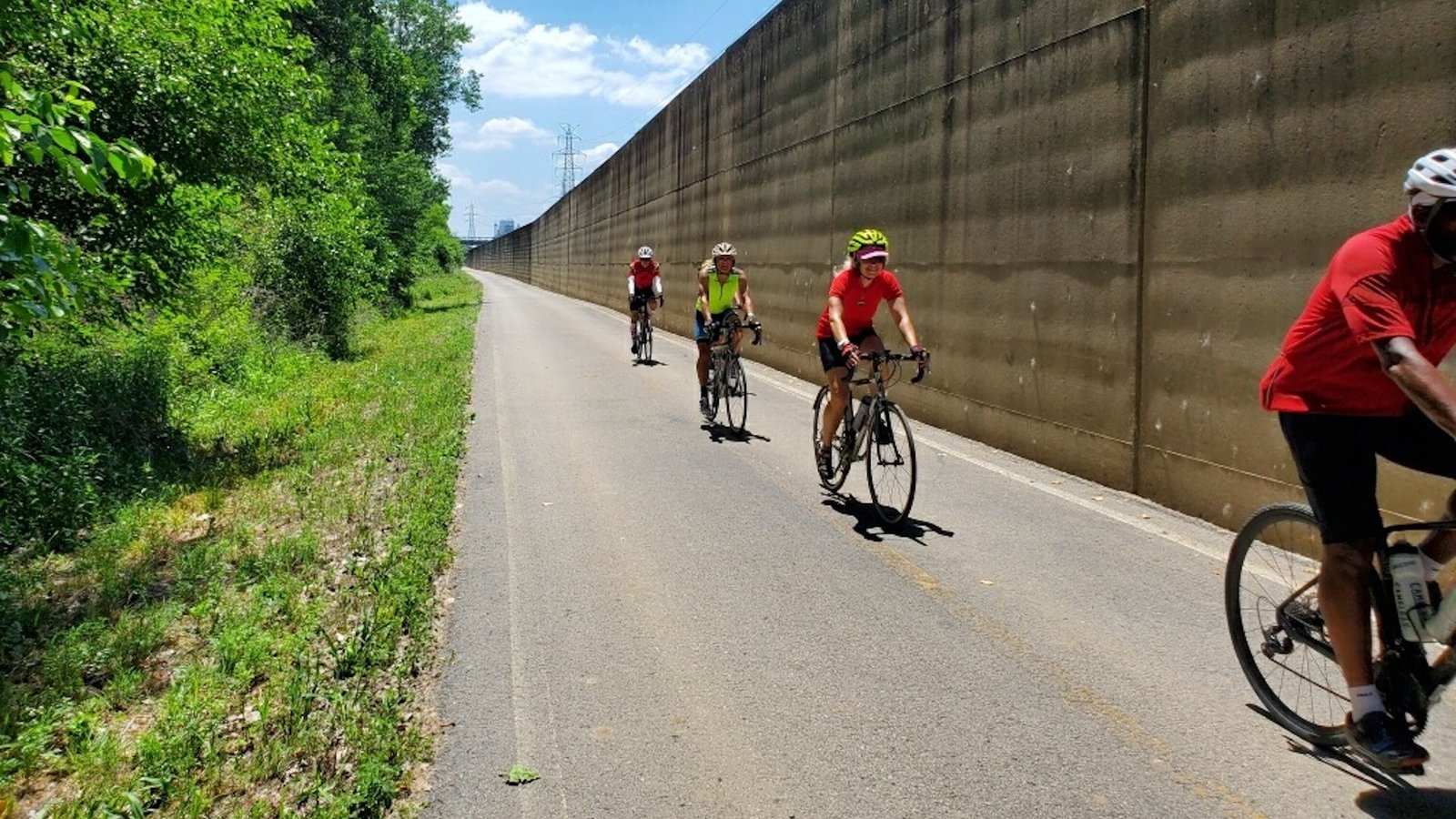
A bipartisan group of lawmakers is pushing new legislation aimed at expanding bicycle access, improving safety and reviving domestic manufacturing. However, critics question whether key parts of the proposal are economically realistic.
Reps. Mike Thompson, D-Calif., and Vern Buchanan, R-Fla., co-chairs of the Congressional Bike Caucus, introduced the “America Bikes Act,” a measure that would increase federal support for bicycle infrastructure, promote cycling education and create incentives to bring bike manufacturing back to the United States.
Supporters say the bill responds to growing demand as more Americans turn to cycling for transportation and recreation. Thompson, an avid cyclist, framed the legislation as a long-term investment in both infrastructure and industry.
“The bottom line is, we would like to encourage and incentivize the production of bicycles … in the United States, but you just can’t flip a switch,” Thompson said in an interview with Straight Arrow.
The legislation calls for expanding federal funding to help local governments build safer roads and trails, creating programs that connect bicycles with public transit and promoting youth cycling education. Lawmakers say safety improvements are central as bicycle commuting has grown significantly in recent decades.
“We know that … bicycle commuting has grown some 60% nationwide,” Thompson said. “Americans say they want to ride more … but they feel the roads aren’t safe enough to do it.”
The bill’s supporters argue that investing in safer routes for cyclists and pedestrians could reduce traffic congestion, improve public health and cut emissions. Thompson said building out bicycle infrastructure would also respond to increasing demand.
“We should be doing everything we can to make sure we provide safer routes for everyone,” he said.
A key component of the proposal focuses on rebuilding U.S.-based bicycle manufacturing, an effort lawmakers say would help stabilize supply chains after pandemic-era disruptions. Thompson pointed to challenges faced by manufacturers when overseas production slowed or shifted.
“Anything we can do to make for a more stable supply chain … the better off we’ll be,” he said.
Still, critics question whether the economic realities of the industry support that goal. Stewart Munson, a Missouri bicycle retailer, told Straight Arrow domestic manufacturing is “simply not economically viable” under current conditions and warned that making it competitive could require substantial taxpayer subsidies.
Skepticism also surrounds programs intended to increase bike ownership. Munson pointed to mixed results from subsidy initiatives, including e-bike incentives, saying some past efforts have created complications for retailers.
The bill’s emphasis on safety has drawn broader agreement, though some note that road conflicts between cyclists and drivers are complex. Munson said responsibility lies on both sides, citing distracted driving and cyclists ignoring traffic rules as contributing factors.
Lawmakers and advocates also highlight potential economic benefits. Thompson pointed to trail development projects that have generated millions in local revenue, arguing that safe cycling infrastructure can boost tourism and small businesses.
Still, critics question whether the United States can match the extensive bike networks seen in parts of Europe. While acknowledging progress in some regions, Munson said replicating those systems nationwide would be difficult.
Thompson, however, expressed optimism that continued investment could build momentum over time.
“You can’t have 50% of Americans saying they want to ride a bike more … without seeing that trickle into the political space,” he said. “It’s the build it and they will come.”
Round out your reading
- People are overdosing on GLP-1 injections. What does that look like?
- Researchers put chatbots in a simulation. Grok ended the world in 4 days.
- Fearing more e-bike injuries, Illinois looks to become 10th state to mandate registration, insurance.
- Why are young professionals facing such a tough job market? Hint: It’s not just AI.
- We’re building a new Straight Arrow. Help us shape our future by taking our survey.