

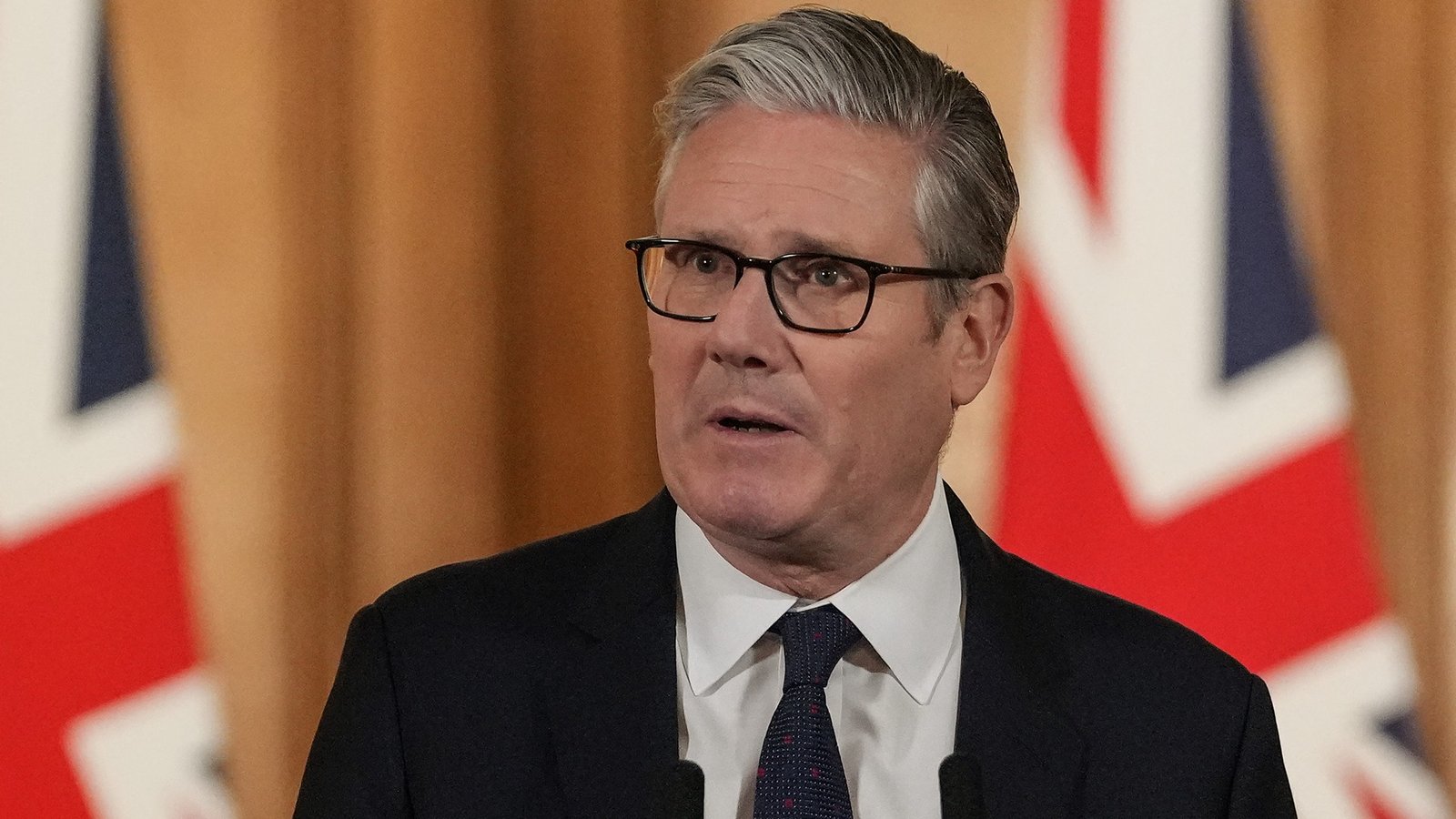
Children under 16 in Britain will be barred from using several major social media platforms beginning early next year, Prime Minister Keir Starmer announced Monday.
Starmer called the move “a big moment for our country” as Britain joins a growing list of nations imposing restrictions on teen social media use.
UK moves ahead with restrictions
At a news conference, Starmer said the ban will apply to Snapchat, TikTok, YouTube, Instagram, Facebook and X, but not messaging services like WhatsApp and Signal.
Starmer said the government is prepared to confront technology companies that resist the new rules, arguing the restrictions are necessary to protect children from harmful content. He noted he is “not prepared to compromise on the safety and happiness of our children.”
The announcement follows a public consultation that drew more than 116,000 responses, with more than 90% supporting restrictions for children under 16.
The government also plans to limit contact between children and unknown adults on gaming and livestreaming platforms.
“Taken together, these measures will mean a much more comprehensive model than just a blanket ban on social media — one that responds to how children experience harm online, rather than just where it happens,” Starmer said.
Part of a broader trend
The U.K. joins a growing list of countries implementing social media bans and restrictions for teens.
Australia was the first country to adopt a broad social media ban, a move that helped accelerate similar proposals elsewhere. Canada, Brazil and Indonesia have since introduced legislation or age-based restrictions of their own.
Other countries, including Denmark, Thailand and South Korea, are also looking into developing similar legislation.
Why the US is different
A similar nationwide ban would face significant legal hurdles in the United States, as Straight Arrow has reported.
A Harvard Law Review analysis found that age-verification laws must navigate First Amendment protections while addressing concerns about online harm.
The review argues states may have a stronger legal footing if they regulate platform features rather than directly restricting users.
“By focusing on specific features that lead to harmful effects on minors, states can craft content-neutral laws that will merit only intermediate scrutiny,” Harvard Law wrote.
Round out your reading
- Could a common dietary supplement accelerate Alzheimer’s?
- NY AG Letitia James gets hundreds of taunts, racial slurs in ICE public reporting portal.
- As Musk becomes the first trillionaire, historian sees warning signs.
- An experimental weight loss drug is so effective, many Americans don’t care it’s not FDA approved.
- How search engine optimization reduced Simone Biles to an ‘NFL wife’.