

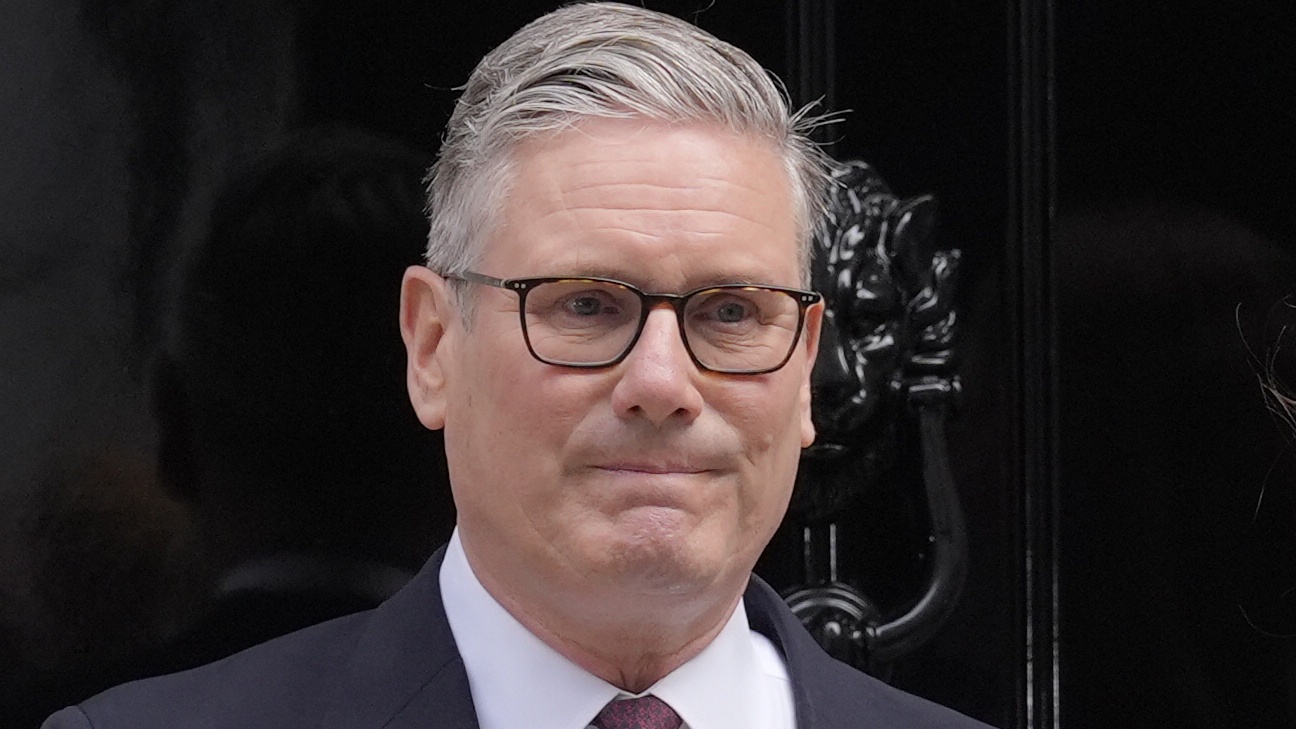
After weeks of calls to step down from more than 100 members of his own party, British Prime Minister Keir Starmer announced his resignation early Monday morning.
In a statement outside 10 Downing Street, Starmer said he’s stepping down as the leader of the governing Labour Party, but will remain in office until a new leader is chosen in the coming weeks.
“I will ask the national executive committee of the Labour Party to set out a timetable. With nominations opening on the 9th of July and completed by the summer recess. In the case of a contest, this will ensure a new leader is in place before parliament returns in September,” he said.
Who might succeed Starmer?
Starmer’s resignation comes amid mounting pressure to appoint a new leader to revive the government’s flagging fortunes. It also follows May’s local elections, in which the Labour Party lost more than 100 seats on local councils and control of the Welsh parliament.
Internal party opposition, which has been building for months, accelerated sharply after Andy Burnham, a senior Labour figure and mayor of Greater Manchester, won a parliamentary seat in a recent by-election. His return to Parliament enables him to mount a formal leadership challenge.

Burnham’s win in the Makerfield seat has bolstered his standing among Labour politicians worried about the party’s future. In the UK parliamentary system, the leader of the ruling party serves as prime minister, so a change in leadership could result in a new national leader without requiring a general election.
No one has formally announced plans to seek the prime minister’s office, but in recent weeks, members of the Labor Party have put forth Burnham as a potential successor. Burnham is set to be sworn in to Parliament Monday after winning a special election on Friday to become a member.
Whoever succeeds Starmer will be the UK’s seventh prime minister in a decade.
This is a breaking news story. Check back for more updates.