

Is it a shield or a sword? A bill moving through the California legislature has some saying it’s a way to protect some people who work with immigrants in the state, while others say it’s cutting off First Amendment rights.
That bill is California Assembly Bill 2624, or Privacy for immigration support services providers.
Proponents say it will prevent doxxing and harassment of immigration service workers by making it illegal to share their personal information. Opponents say that it will limit access to public information and hinder journalists.
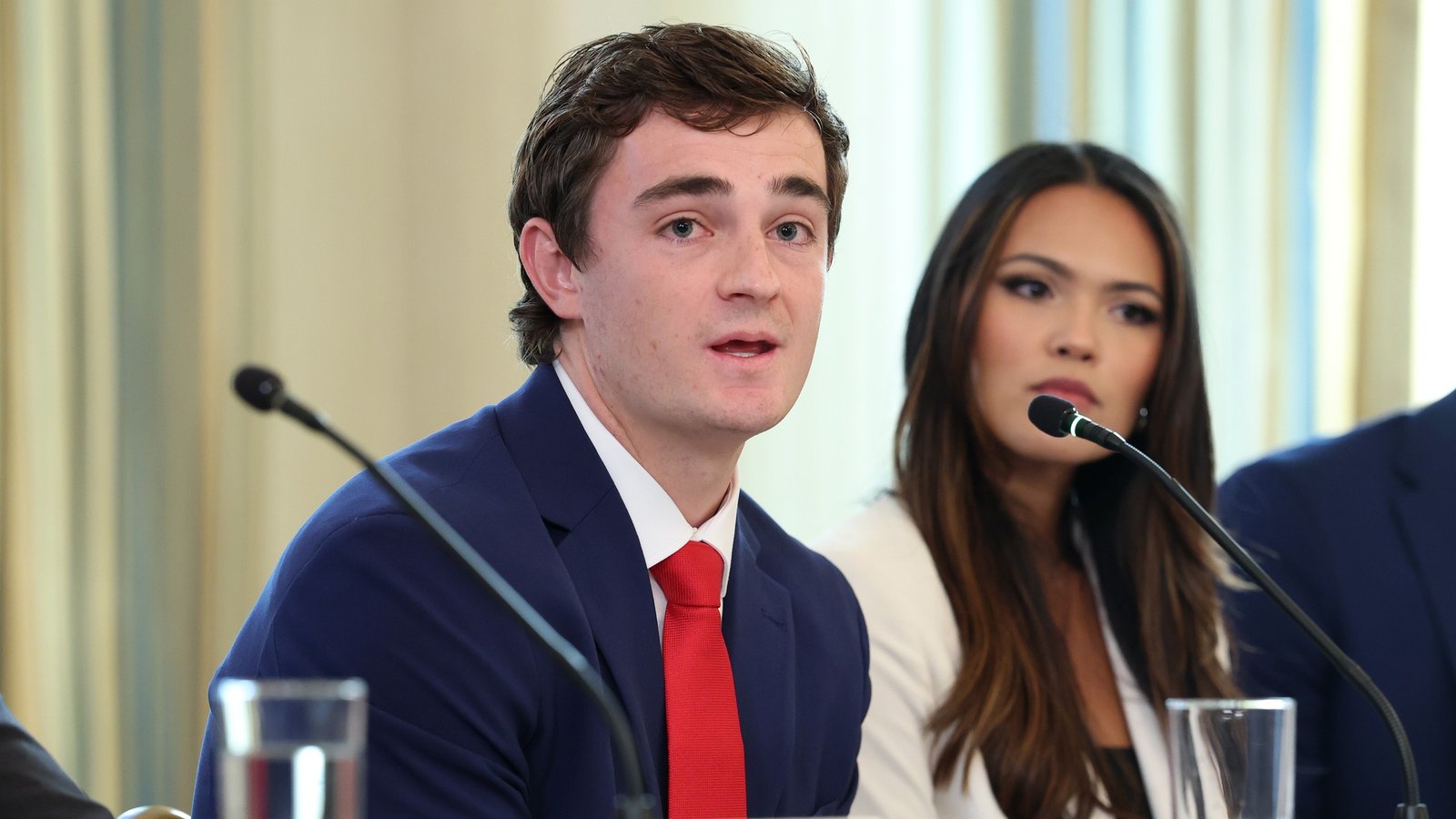
Those opponents mostly cite citizen journalist Nick Shirley, who gained fame for his controversial videos exposing alleged daycare fraud in Minnesota.
What the bill would do
“People working in immigrant services are being followed home, receiving death threats, and having their personal information weaponized against them,” Assemblymember Mia Bonta, D-Oakland, who authored the bill, said. “AB 2624 provides protection through the same tried and tested process California already offers to domestic violence survivors and select healthcare workers.”
It’s an extension of the California Safe at Home program, which came into effect in 1998. That was created for domestic violence survivors and later expanded to include reproductive health care workers, gender-affirming care providers and more.
This new legislation would add workers like immigration attorneys and legal aid staff, nonprofit workers and volunteers, advocates, case managers and more to the protected classification.
Essentially, the personal information of all of those workers wouldn’t be publicly accessible.
“The whole idea is that both of those are high-risk professions because of current political wars,” Ashutosh Bhagwat, distinguished professor of law at UC Davis Law School, told Straight Arrow News.
There is no widely reported data on any increase in doxxing incidents of those workers.
However, Angela Salas, the executive director of The Coalition for Humane Immigrant Rights, or CHIRLA, testified about an increase in incidents in front of the Assembly Privacy Committee.
“At CHIRLA, we have experienced staff harassment by Trump loyalists and Trump-supporting social media influencers at the doorstep of our office in one instant, even at the doorstep of our home,” Salas said.
There have also been numerous reports of increased doxxing incidents among federal immigration officers, Department of Justice workers and reproductive health workers.
“Politicians, famously, are receiving huge amounts of threats right now as well as our judges, and it wouldn’t surprise me if people who worked with immigrants are as well,” Bhagwat said.
Concerns
Republicans fighting the bill are calling it the “Stop Nick Shirley Act.”
Shirley confronted Democratic lawmakers in Sacramento in one of his latest videos. Shirley also has the support of some GOP lawmakers in the state, like Assemblymember Carl DeMaio.
“California Democrats are trying to intimidate citizen watchdog journalists and protect waste and fraud happening in far-Left-wing NGOs,” DeMaio, R-San Diego, said. “AB 2624 can only be described as the ‘Stop Nick Shirley Act’ — a bill designed to silence citizen journalists exposing fraud and abuse of taxpayer dollars.”
Their concern is that restrictions on sharing personal information could chill journalism.
Bonta pushed back against that.
“This characterization has no basis in the bill’s text, legislative history, or author’s intent,” Bonta said. “AB 2624 is targeted at doxxing individuals’ home addresses and personal information with intent to incite violence — conduct with no overlap with investigative work.”
Other than The New York Post, no major media outlets have shown opposition to the proposed bill.
Bhagwat isn’t sure the language of the bill should raise First Amendment concerns.
“I think the bill is written narrowly enough that it doesn’t really raise these concerns,” he said. “But the reality is, people’s home addresses are sometimes perfectly valid information.”
He also said it’s part of a bigger question.
“There’s also parts of the bill that prohibit posting personal information as a threat or to incite violence,” Bhagwat said. “And there’s a big debate going on right now to what extent that kind of doxxing can be regulated consistent with the First Amendment. But those are very deep waters.”
What happens next?
Bhagwat also added that “there is a culture war aspect to what’s going on,” with this being another example of a significant partisan battle.
Democrats run the State Assembly, the Senate and the governor’s mansion, so the bill certainly has a path to become law, but it’s unclear if the support is there.
Gov. Gavin Newsom has not made his feelings on the bill publicly known.
The bill is currently being reviewed in the Judiciary Committee and would likely be headed for a full vote in the Assembly next.
If it does become law, First Amendment lawsuits could follow.
“They would need to show some injury, they need to show that they’ve actually been deprived of information,” Bhagwat said. “But you can imagine a First Amendment suit being brought.”
Round out your reading
- Work for food: New SNAP rules reshaping who gets to eat.
- How Iranians actually feel about regime change and war.
- Feds warn that Russians may hack your internet router. Why?
- The truth behind a medical condition that never existed.
- We’re building a new Straight Arrow. Help us shape our future by taking our survey.