

A bipartisan effort to overhaul college athletics cleared a major hurdle this week as the Senate Commerce Committee voted 19-9 to advance the Protect College Sports Act of 2026, sending the legislation to the full Senate amid renewed scrutiny over athlete gambling rules sparked by the Brendan Sorsby controversy.
The bill, crafted by Sens. Ted Cruz, a Republican, and Maria Cantwell, a Democrat, would establish national standards for name, image and likeness compensation, strengthen athlete health and scholarship protections and provide additional safeguards for women’s and Olympic sports. The measure also creates a Commission on the Future of College Athletics to study longer-term reforms.
The committee vote marked the first significant legislative breakthrough after years of failed attempts to bring order to a rapidly changing college sports landscape.
“This week was a big week for college sports,” Cruz wrote on X after the measure advanced.
Supporters argue federal action is needed after a series of court decisions and the 2025 House settlement reshaped college athletics and accelerated the flow of NIL money.
The legislation moved forward just days after one of the most closely watched scandals in college football.
Legislation advances amid college gambling controversy
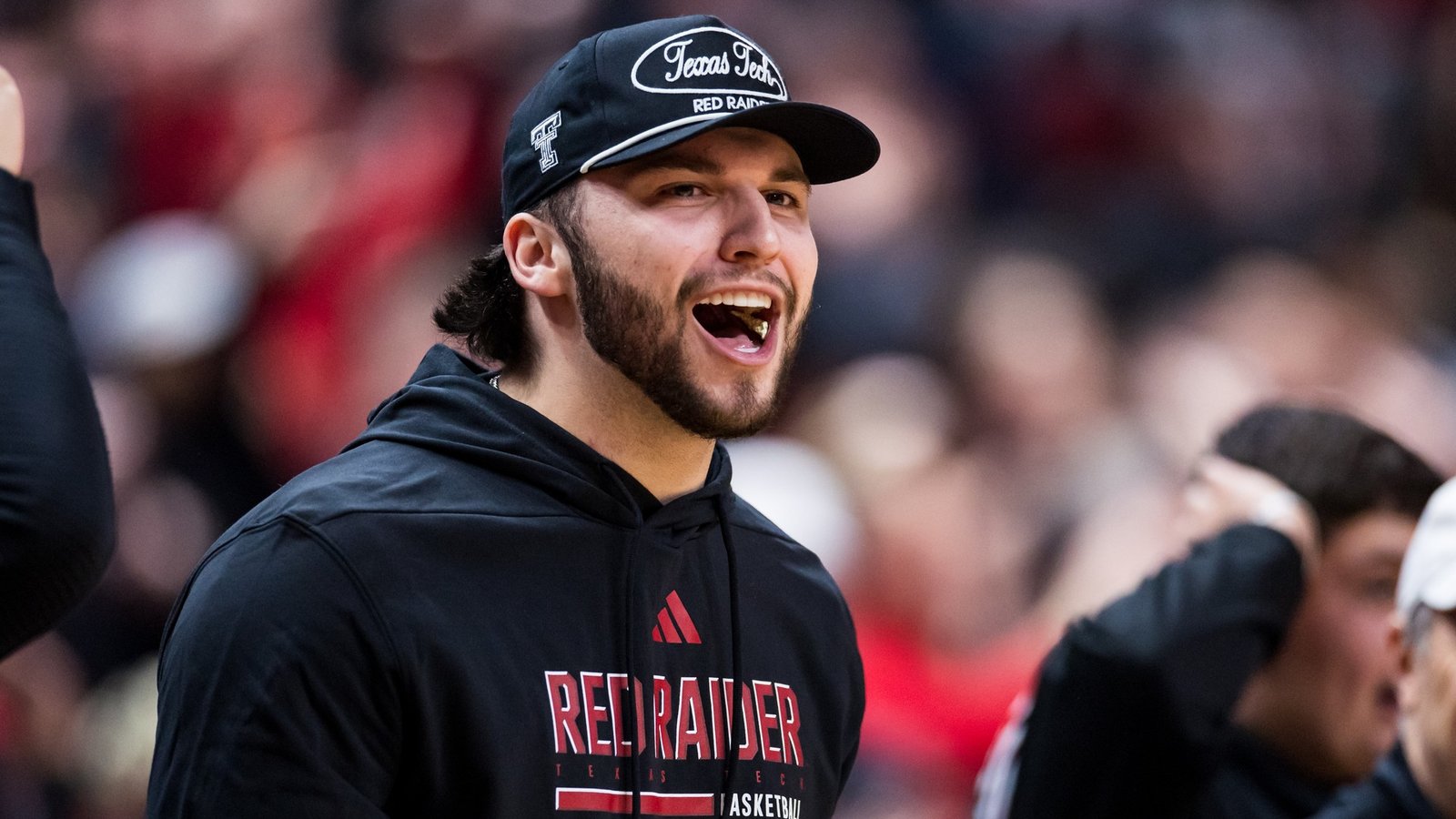
Former Texas Tech University quarterback Brendan Sorsby, who transferred from the University of Cincinnati and reportedly secured a multimillion-dollar NIL package, became the center of an NCAA gambling investigation after authorities uncovered that he made thousands of wagers totaling at least $90,000, including bets involving Indiana football during his freshman season there.
After filing suit against the NCAA, Sorsby won a temporary injunction that would have allowed him to play in 2026 with a proposed two-game suspension. The ruling prompted legal challenges from the NCAA and the Big 12 Conference and led the Big Ten Conference to consider scheduling sanctions against Texas Tech.
Rather than continue the fight, Sorsby announced June 15 that he would leave Texas Tech and enter the NFL supplemental draft, with a July 10 pro day planned in Texas.
Dave Ridpath, a professor of sport business at Ohio University, said the case intensified public attention, but he believes Congress was already moving toward involvement.
“I still think that train of federal involvement isn’t going to stop,” Ridpath said. “Brendan Sorsby didn’t happen, therefore, not having this conversation today, Congress is still going to be probably moving down the road to doing something.”
Ridpath said he believes Sorsby deserved punishment for betting on his own team, but questioned whether a lifetime ban was appropriate.
“I was hoping it would come to a middle ground and just do a very tough suspension,” he said.
Following Thursday’s committee vote, Ridpath said advancing the bill out of committee is only the beginning.
“I don’t think it’s a bad thing, but getting it not only through the debate but the House is a high hurdle,” he said. “Time is short.”
Ridpath suggested the legislation could ultimately serve as a framework for future reforms, or lead to a presidential commission examining college athletics.
Despite broad support from major conferences, professional sports leagues and the U.S. Olympic and Paralympic Committee, the measure faces significant challenges. It would need 60 votes in the Senate and approval from the House, where disagreements remain over whether college athletes should be classified as employees.
Ridpath said collective bargaining remains the most legally durable solution but acknowledged Congress is likely to continue searching for answers.
“We all agree that going the way that we’re going now is not good,” he said. “College sports is too important to too many other things to leave it as it is.”
Round out your reading
- Could a common dietary supplement accelerate Alzheimer’s?
- NY AG Letitia James gets hundreds of taunts, racial slurs in ICE public reporting portal.
- As Musk becomes the first trillionaire, historian sees warning signs.
- An experimental weight loss drug is so effective, many Americans don’t care it’s not FDA approved.
- How search engine optimization reduced Simone Biles to an ‘NFL wife’.