

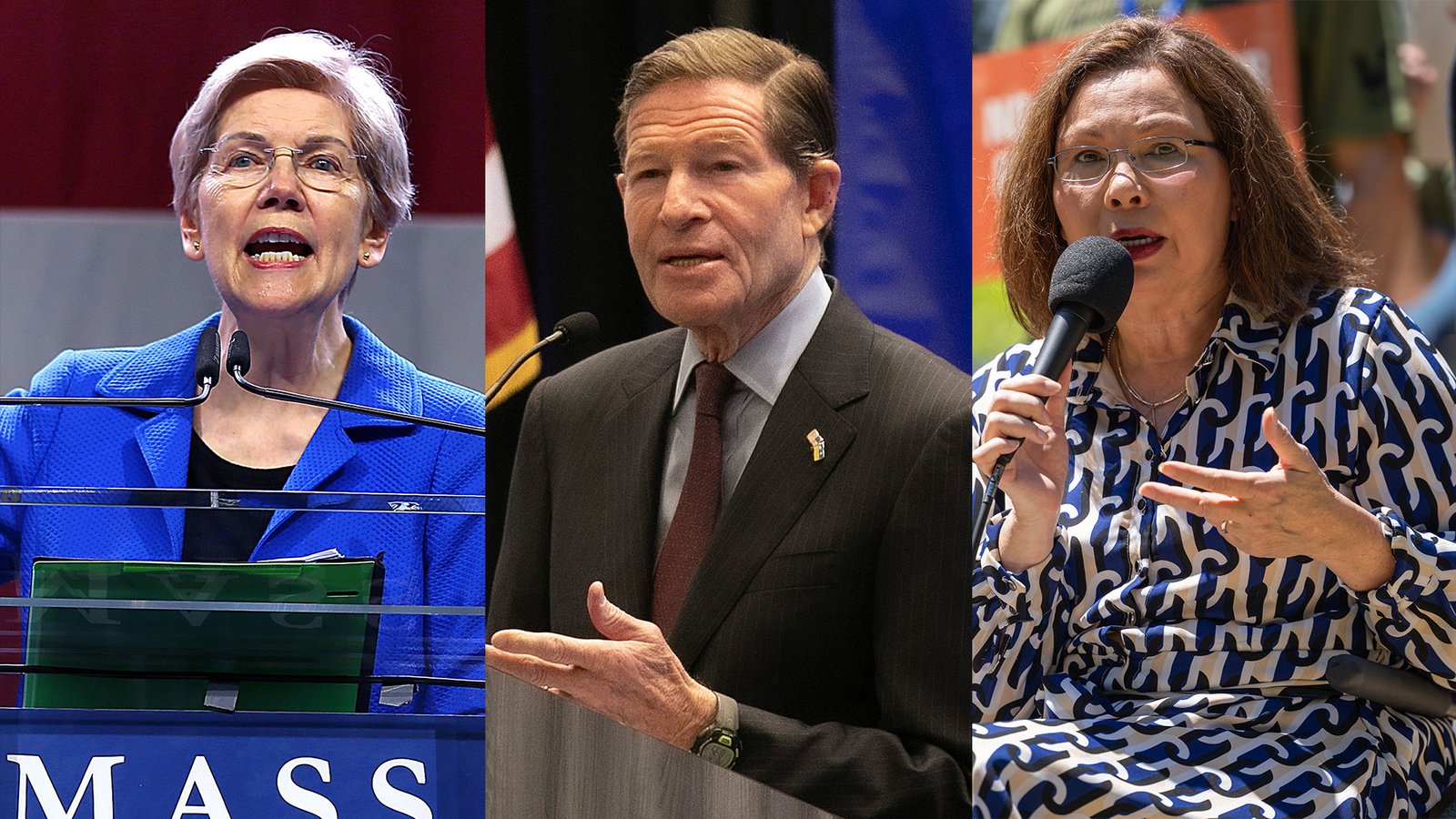
Three Democratic senators are pressing the Trump administration to clarify whether it would consider raising the Social Security retirement age after a new report projected the program’s main trust fund will run short of money in 2032.
Last week’s Social Security Trustees Report found the Old-Age and Survivors Insurance Trust Fund can pay full benefits only through the end of 2032. After that, the program would be able to pay only about 78% of scheduled benefits unless Congress takes action.
Senators seek answers on retirement age
As a result, Sens. Elizabeth Warren of Massachusetts, Richard Blumenthal of Connecticut and Tammy Duckworth of Illinois have signed a letter to the administration. The lawmakers want to know whether raising the retirement age is part of any plan under consideration by the administration.
Currently, the earliest a person can collect retirement benefits is at age 62. Many Americans wait longer because benefits increase each year they delay claiming until reaching full retirement age. For people born in 1960 or after, full retirement age is 67.
The letter includes seven questions, several focused specifically on whether the administration has analyzed the impact of raising the retirement age.
Among the top two:
- “Does the administration currently have a proposal to address the insolvency of the Social Security trust fund, and if so, does raising the retirement age factor into that proposal?”
- “Has your administration conducted any analysis on the impact raising the retirement age would have on Americans’ benefits?”
Democrats call retirement-age increase a benefit cut
The senators argue that raising the retirement age would effectively reduce benefits for millions of Americans who rely on Social Security as their primary source of income.
“In practice, raising the retirement age by two years would reduce the median retiree’s monthly benefits by $345 to $741 — or by between 17 and 35 percent,” they wrote in the letter.
White House position
Asked about the issue last week, White House spokesperson Liz Huston told CNBC that “President Trump will always protect and strengthen Social Security.”
Warren sent the letter Sunday. The administration has not yet responded publicly.

Earlier this month, Straight Arrow highlighted an analysis from the Committee for a Responsible Budget. The group estimated retirees could see monthly benefits reduced by roughly $500, or about 24%, if incoming payroll tax revenue is no longer sufficient to cover scheduled payments.
The report estimated about 63 million Americans would be affected by the potential cuts.
Possible legislative action
Experts say increasing the retirement age would not be an immediate short-term fix to the problem. Other possibilities include increasing payroll taxes and/or cutting benefits.
CNBC noted that House Speaker Mike Johnson told a Louisiana radio station that he plans to put forward a plan to address Social Security, Medicare and Medicaid next year.
Any major changes to Social Security would ultimately require congressional action, ensuring the issue remains part of a broader debate over the program’s long-term finances.
Round out your reading
- Could a common dietary supplement accelerate Alzheimer’s?
- NY AG Letitia James gets hundreds of taunts, racial slurs in ICE public reporting portal.
- As Musk becomes the first trillionaire, historian sees warning signs.
- An experimental weight loss drug is so effective, many Americans don’t care it’s not FDA approved.
- How search engine optimization reduced Simone Biles to an ‘NFL wife’.