

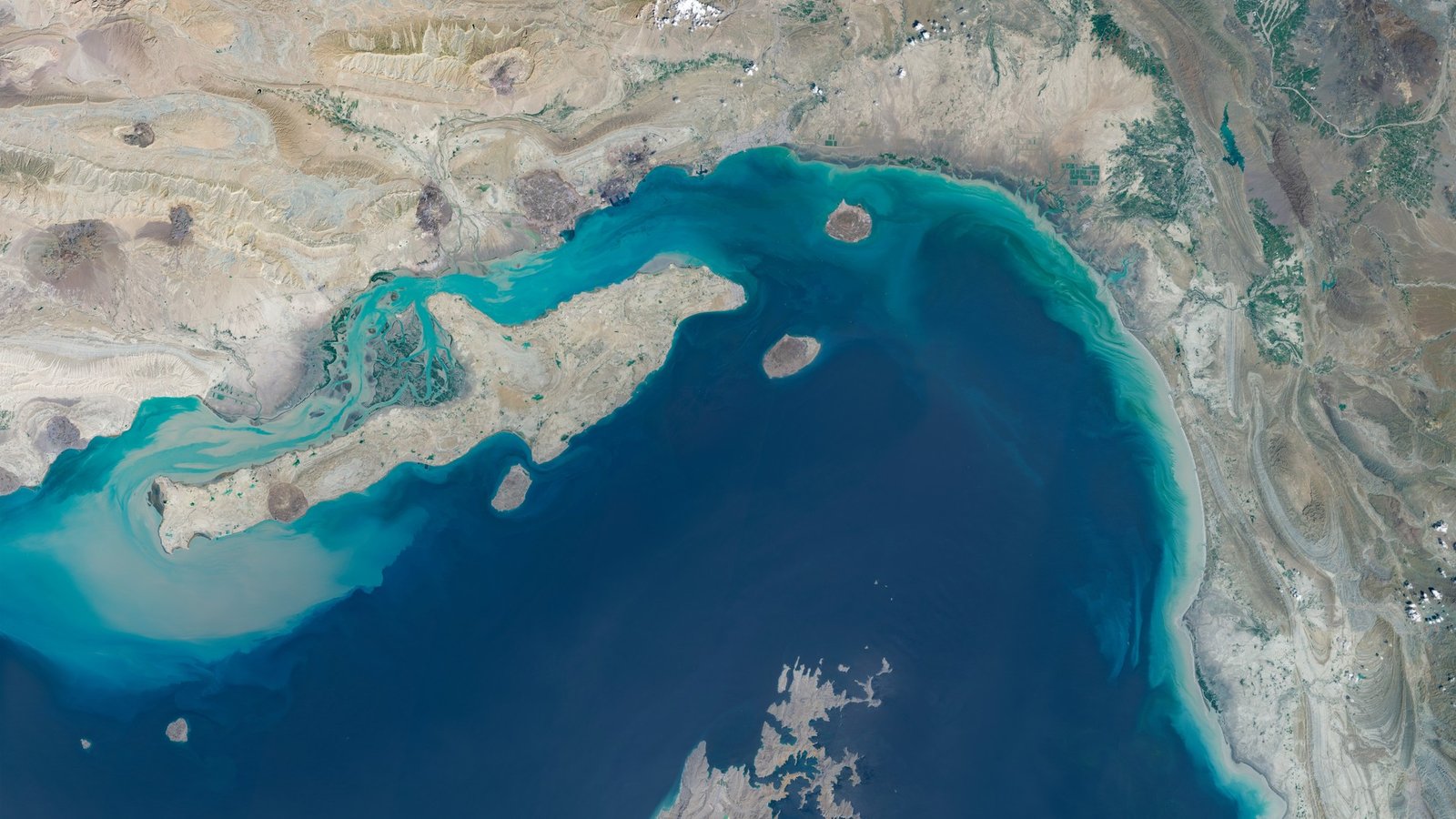
Iran has again closed the Strait of Hormuz, with a military spokesperson saying Saturday the waterway is “under strict control of the Iranian Armed Forces and will remain in its previous operational state.”
On Saturday morning, the United Kingdom Maritime Trade Operations said there were attacks on a tanker and a container ship in the strait.
This comes a day after Iranian Foreign Minister Abbas Araghchi announced the Strait of Hormuz was open. President Donald Trump, at the time, praised the decision on Truth Social, and claimed that Iran agreed to never close the strait again.
Even though the Strait of Hormuz was declared open, Trump said a maritime blockade on ships entering or exiting Iranian ports and coastal areas would still be in place.
Since the blockade started Monday, U.S. Central Command said, 23 ships have complied with U.S. forces’ mandate to turn around.
The Iranian military spokesperson cited this blockade as the reason why the strait is now closed.
Speaking to reporters on Friday afternoon, Trump said if a deal between Iran and the U.S. isn’t reached before a temporary ceasefire ends, the blockade will remain.
“Unfortunately, we’ll have to start dropping bombs again,” Trump said.
During an executive order signing on Saturday, Trump said the U.S. is having “good conversations” with Iran, though “they got a little cute, as they have been doing for 47 years.”
“They wanted to close up the strait again, you know, as they’ve been doing for years, and they can’t blackmail us,” Trump said.
However, Iran’s deputy foreign minister, Saeed Khatibzadeh, told reporters no negotiations are currently scheduled.
“We are now focusing on finalising the framework of understanding between two sides,” he said at a diplomacy forum in Turkey on Saturday. “We don’t want to enter into any negotiation or meeting which is doomed to fail and which can be a pretext for another round of escalation.”
Until a framework is agreed on, “we cannot set the date,” he said.
Iran’s Supreme National Security Council said the army chief for Pakistan, which is mediating talks, presented new U.S. proposals to Iran on a recent visit.
These are still under review, the council said.
In any further discussions between Iran and the U.S., the council said, the latter country will have to abandon “excessive demands and adjust its requests to the realities on the ground.”
Iran will maintain control over traffic in the strait until “the war fully ends,” the council added, according to The Associated Press. This includes gathering information on vessels that pass through, issuing transit certificates and imposing tolls.