

A First Amendment battle may be brewing over announced changes by the U.S. Treasury to an important tax document. Those changes could be coming to Form 990, which nonprofits across the country use.
That form is most simply described as a yearly report that nonprofits file with the IRS to report their finances and activities.
The Treasury wants to change what is reported on that form by nonprofits across the country in order for more public transparency about how these groups are operating and spending money.
There’s nothing simple about tax laws in a country where the tax code is more than 17,000 pages long.
But in essence, this potential change focuses on two things.
Government money
The first is how government money is being used by these organizations.
“On average, nonprofits receive about a third of their income from government sources,” Leslie Lenkowsky, emeritus professor specializing in philanthropy at Indiana University, told Straight Arrow. “But if you looked at the current Form 990, it would be hard to tell how much a particular nonprofit received from the government and what it was doing with that money.”
On the current form, any money from the government is considered funding from the public. But that also includes grants, private-sector donations and more.
That makes it impossible to tell how government money is being spent.
“There have been criticisms that government funding in nonprofits have not been used to the extent expected, for delivery of services,” Lenkowsky said. “But rather to increase salaries and pay other administrative expenses.”

The Treasury made it clear it wants to see where the money is going.
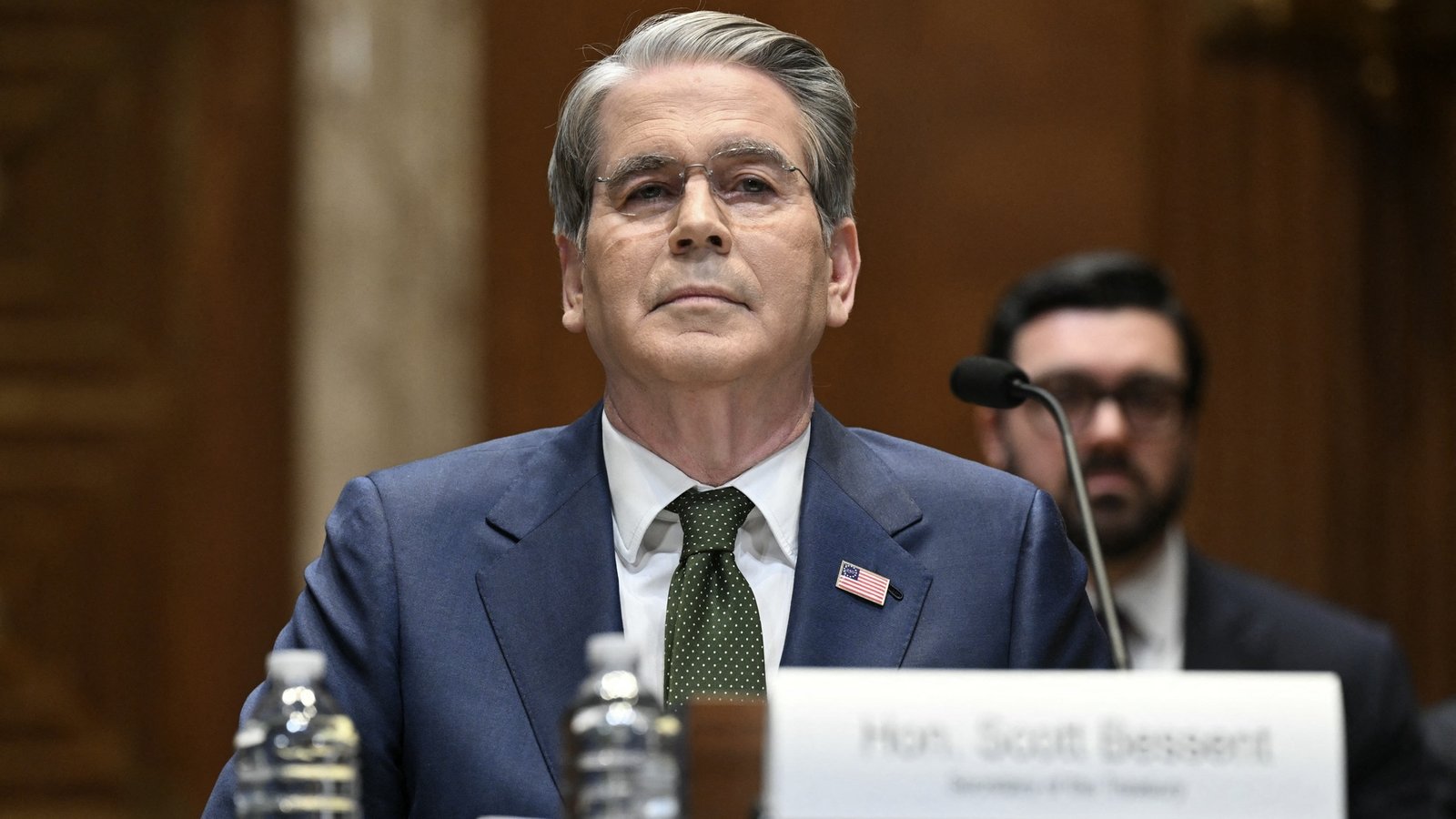
“Public money and tax-exempt status demand public accountability,” Treasury Secretary Scott Bessent said. “We are ending the days of hiding fraud, abuse, and extremist activity behind complicated nonprofit arrangements.”
Fiscal sponsorships
The second change the Treasury will focus on has a lot to do with what’s called fiscal sponsorship.
That’s when a large established nonprofit lets a smaller upstart operate under its tax-exempt status. That allows the smaller operation to receive donations and funding before its tax-exempt status is approved.
“But they’re not a direct part of the project of the organization that’s sponsoring them,” Philip Hackney, professor of law at the University of Pittsburgh School of Law, told Straight Arrow. “They’re a fiscal sponsor. They’ll charge like a 2% fee to manage their money.”
That process allows people to donate to an organization that does not have an official status as a nonexempt charity. The donors can still claim a tax deduction.
Large donations during this period are commonly referred to as “seed money” that can sustain a fledgling nonprofit for years. Donors can make these contributions anonymously and implicitly influence the nonprofit’s philosophy and strategy.
The government is concerned that those arrangements can be used to shield those operating a project, controlling the money and how that money is actually being used.
“Tax-exempt status is not immunity from scrutiny,” Ken Kies, Treasury Assistant Secretary and Acting IRS Chief Counsel, said. “If an organization receives public funds or tax-deductible donations, it should be prepared to show who controls the money and where it goes.”

Another concern is that some of the organizations benefitting from fiscal sponsorships will never be able to get charitable status from the IRS because of certain activities like political campaigning, which Lenkowsky said, “is not a permissible activity for charities.”
The Treasury wants more reporting requirements on both ends because the fiscal sponsor does not need to report where the donations come from, nor does it need to report how the money it’s passing along is being used.
Fiscal sponsorship has also made news in recent years over claims that it’s been used to support antisemitic groups.
“In the current context, a lot of the discussion, including in Congress, has been over the use of fiscal sponsors to assist organizations that, and I’m kind of quoting here, ‘support terrorists,’” Lenkowsky said.
Potential issues
That’s where some legal issues could arise from the Treasury’s plans.
“Under American law, we consider charities as protected by the First Amendment,” Lenkowsky said.
That means charities are not required to disclose who donates money.

The protection of those donors was upheld in a Supreme Court case just five years ago, but it upheld key portions of NAACP v. Alabama. That 1958 Supreme Court opinion said the state didn’t have sufficient legal standing to require the nonprofit to hand over its donor list, which justices said was protected under the First Amendment right of association.
In Americans for Prosperity Foundation v. Bonta, the justices sided with the nonprofit originally founded by major Republican donors Charles Koch and his late brother, David.
This is still just a proposal from the Treasury, but this issue could end up back in the court system.
“It’ll take some time before we see what the rules are, but they will undoubtedly be challenged again with regard to reporting sources of money that pass through fiscal sponsors,” Lenkowsky said. “The challenge will be very similar to the Bonta case.”
To come up with those new rules, Hackney hopes the government will have a discussion with the charitable community.
“I think that charitable organizations are one of the important strengths of this country, and for the most part, do some really great stuff,” he said.
Lenkowsky believes a requirement listing fiscal sponsors privately to the IRS won’t face much legal pushback, but a public disclosure is likely to see a court battle.
The concern from charities is that all of this could mean less donor funding. Even pushing for more reporting of where government money is going could face some pushback.
“Charities have been very resistant to reporting more than they really need to on the Form 990 and asking charities to get more information about how they’re using government grants will strike some as government overstepping the boundaries, especially in the current administration,” Lenkowsky said.
What’s next?
Next, the government needs to outline the official changes and requirements for Form 990.
The Treasury and IRS plan to publish proposed regulations and provide an opportunity for public comment for any of those changes to get finalized.

Hackney shared concerns over the administration’s goals with this change, especially after the Department of Justice indicted a civil rights nonprofit best known for work opposing the Ku Klux Klan.
“I support oversight of charitable organizations,” Hackney said. “I think that’s good. I worry with this administration’s emphasis on concerns about charitable organizations. They just brought a criminal indictment against a charity in a way that is new and novel and problematic.”
The Treasury has not given a timeline at this point. They said they will consider feasibility, proportionality, and reporting burden as they come up with the new regulations.
Round out your reading
- Scientists unearth new evidence on how the Grand Canyon was shaped.
- Why the Army is adding a second fitness test for combat.
- Illegal midwives, growing demand: The fight over home birth in America.
- 40 years after Chernobyl, the U.S. pushes nuclear power once again.
- We’re building a new Straight Arrow. Help us shape our future by taking our survey.