

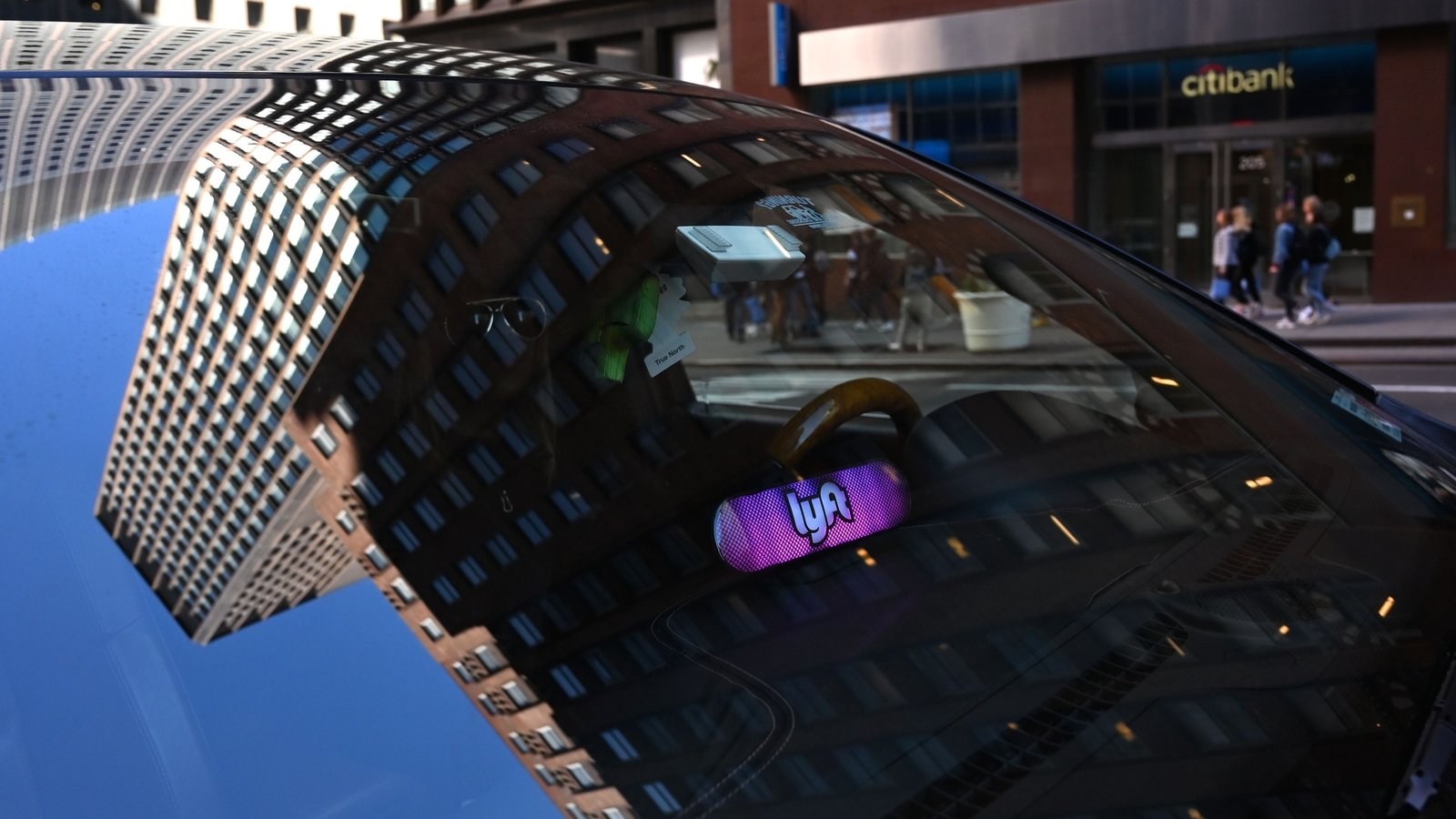
Uber and Lyft are fierce rivals, but they share a common enemy: New York City.
Both San Francisco-based rideshare companies are suing the city over a new law that would force them to show “just cause” to deactivate — that is, terminate — the accounts of their drivers.
The measure, known as Local Law 52, does not allow the “high-volume for-hire vehicle services” to shut down their drivers’ accounts without showing cause or “a bona fide economic reason,” the law says.
“We are suing New York City to block a reckless new law that seeks to strip our ability to immediately remove potentially dangerous drivers and fraudsters from our platform, creating an immediate threat to public safety,” Josh Gold, a spokesperson for Uber, told Straight Arrow.
In its lawsuit, filed Tuesday in federal court in New York, Uber described terminating accounts as “a last resort.”
“Permanent deactivations are rare, and largely relate to safety or fraud,” Uber said in its complaint.
The law, which would apply retroactively to 2019, was enacted despite a veto by former Mayor Eric Adams. The City Council overrode the veto in a 46-5 vote and scheduled the law to take effect on July 28.
Lyft filed its federal lawsuit one day after Uber’s. Both companies say the driver retention law violates their Constitutional rights to free speech and due process.
Lyft and a city spokesperson did not respond to Straight Arrow’s requests for comment.
Companies accused of driver misconduct
Lyft and Uber have both faced multiple allegations of driver misconduct over the years. Uber drivers have been accused of sexual misconduct in 3,859 lawsuits. Lyft has faced 53 suits, as of June 1.
Advocates of the new law say it protects drivers by making sure they aren’t arbitrarily terminated.
However, the companies say the new law would make them keep dangerous drivers on the road.
“This unconstitutional legislation seeks to force us to keep our platform open to individuals accused of misconduct, and it compromises rider privacy by requiring the disclosure of sensitive safety reports to the very individuals accused of abuse,” Gold told Straight Arrow.
Round out your reading
- People are overdosing on GLP-1 injections. What does that look like?
- Researchers put chatbots in a simulation. Grok ended the world in 4 days.
- Fearing more e-bike injuries, Illinois looks to become 10th state to mandate registration, insurance.
- Why are young professionals facing such a tough job market? Hint: It’s not just AI.
- We’re building a new Straight Arrow. Help us shape our future by taking our survey.