

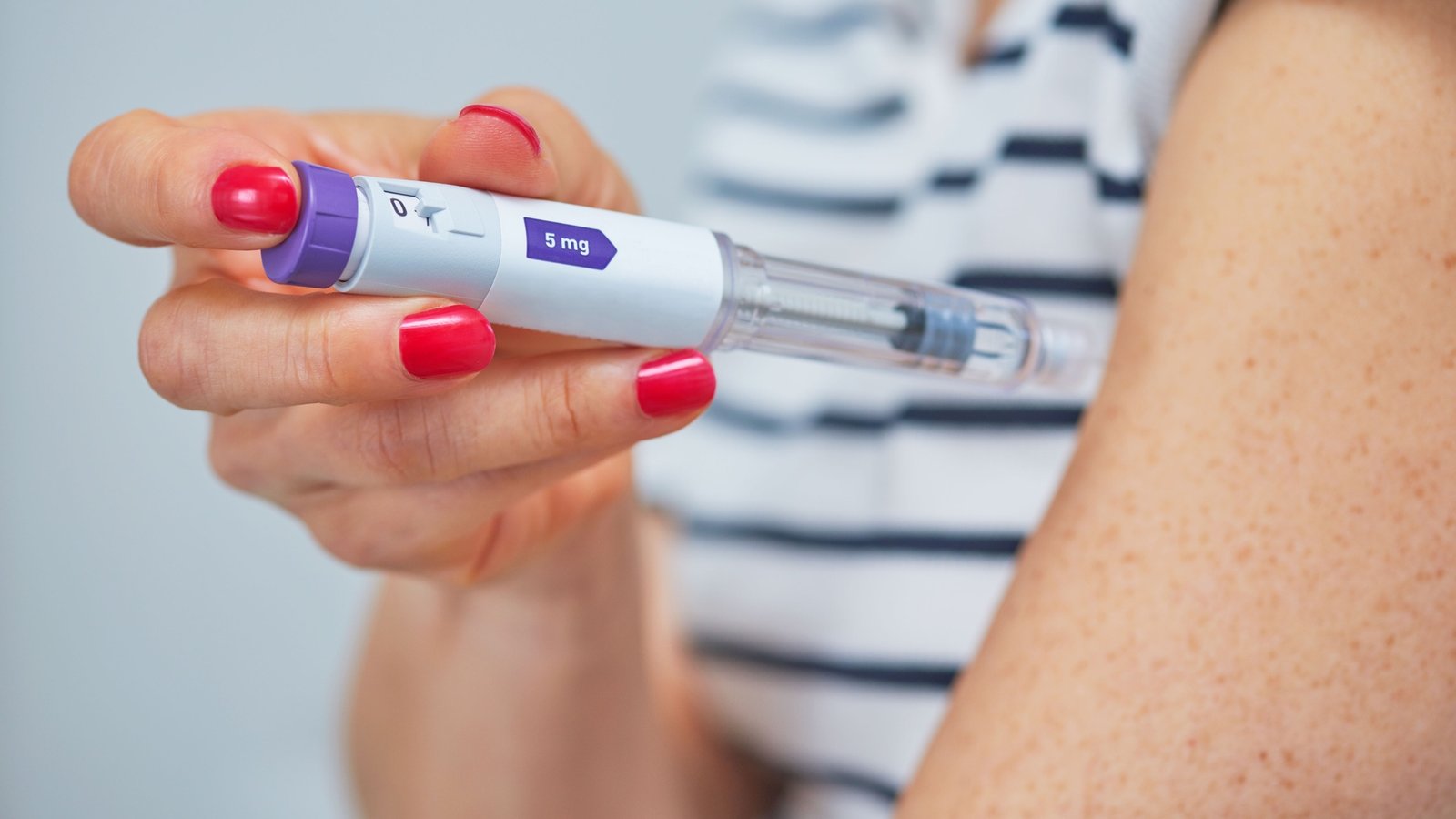
Studies have shown that GLP-1s such as Ozempic or Wegovy can help people who are at risk of, or currently dealing with, addiction. Doctors caution that more research is needed to prove just how effective they are before pulling out the prescription pad, though.
In the last couple of years, GLP-1s have surged in popularity as options for those dealing with type-2 diabetes and obesity. And now, researchers are finding that those who originally start to use GLP-1s for those conditions are also having better outcomes when it comes to substance abuse.
“Initially, it was surprising, because the patients would come to our clinic and say that they had reduced craving for alcohol or smoking, and this was not a known effect of these drugs,” Dr. Mandeep Bajaj, an endocrinologist at Baylor College of Medicine, told Straight Arrow.
What do the studies show?
A paper published in the Journal of the Endocrine Society last October detailed studies that showed promising results for both humans and animals.
One randomized controlled trial using a GLP-1 receptor agonist reduced the number of drinks people had in a lab-controlled setting, as well as their cravings if they had alcohol use disorder.
Several GLP-1 receptor agonists have shown to be effective in rodent models too. Using GLP-1 lowered rodents’ self-administration of heroin, fentanyl and oxycodone. In addition, studies found that the medications reduced rodents’ reinstatement of drug seeking. Preclinical data analyzed by researchers showed the same for nicotine use in rodents.
One study, published in March, looked at the health records of more than 600,000 veterans who started taking a GLP-1 drug for diabetes for up to three years. It found that those who had a history of substance abuse and took the medication lowered their emergency department visits by 30%; hospitalization by 25%; overdoses by 40% and deaths by 50%.
These outcomes were largely the same when it came to alcohol, cannabis, cocaine, nicotine, opioids and other substances.
That study’s senior author, Dr. Ziyad Al-Aly, said a lot of addiction treatments target only one substance.
“The revelation about GLP-1 medication is that it really works against all major substances, and it works uniformly, not because it acts against alcohol or opioids or nicotine specifically, but because it is likely acting against the craving itself,” Al-Aly, a WashU Medicine clinical epidemiologist and chief of the research and development service at the VA Saint Louis Health Care System, said in a statement. “It blunts that craving that pulls people toward whatever they’re addicted to.”
There’s even speculation that extends to cravings like gambling.
How does this work?
GLP-1 receptor agonists bind to specific receptors in people’s brains, especially those tied to their “reward system,” or the regions that regulate dopamine and motivation.
Addictive substances exploit these systems, Bajaj said.
To counteract this, GLP-1s target the receptors by blunting dopamine release and reducing reward signaling, according to Carolina Haass-Koffler, associate professor of psychiatry, human behavior, and behavioral and social sciences at Brown University.
“That means people feel less driven to seek out food, alcohol or drugs. That’s the crux of how these medications may help with cravings,” Haass-Koffler said.
Patients could even start feeling positive effects before they reach what Haass-Koffler called “full abstinence.”
“Losing weight, improving liver enzymes, feeling fewer withdrawal symptoms — it all reinforces their sense of progress,” she said.
Of course, this doesn’t mean doctors should just start prescribing these drugs for substance use disorders, Bajaj says. More studies are needed before that happens.
Dr. Klara Klein, an endocrinologist at the UNC School of Medicine in Chapel Hill, also pointed out to NPR that GLP-1s are traditionally “not medicines that have been tested in people who don’t have overweight and obesity, or Type 2 diabetes.”
And of course, using GLP-1s can come with potential side effects, including nausea; vomiting; diarrhea; dizziness; mild tachycardia, or increased heart rate; headaches and indigestion.
Still, the research out there has made people realize “that there may be a potential benefit of these drugs beyond weight loss and glucose control,” Bajaj added.
This is especially important, Bajaj said, as people dealing with addictions to alcohol are also at a higher risk of liver disease, while those who smoke have an increased risk of limb amputations, cardiovascular disease and stroke.
Round out your reading
- Work for food: New SNAP rules reshaping who gets to eat.
- How Iranians actually feel about regime change and war.
- Feds warn that Russians may hack your internet router. Why?
- The truth behind a medical condition that never existed.
- We’re building a new Straight Arrow. Help us shape our future by taking our survey.