

At a time when other areas in the U.S. saw slower growth, the population in the South increased faster than any other region among all age groups, the Census Bureau said Thursday.
The South saw its population grow by 6% between April 1, 2020, and July 1, 2025. That’s nearly double the national population growth rate, which was 3.1%.
In addition, the South was the only region to see this increase in all five age groups counted by the Census: childhood (0-17), young adulthood and higher education (18-24), early work and family-building years (25-44), midlife (45-64) and retirement (65 and older).
The Census measures population change from what it calls “natural change,” meaning births and deaths and domestic or international migration.
The nation’s Sunbelt regions have seen residents from other regions steadily moving to places with better climate and more affordable cities. The prevalence of remote work during the COVID-19 pandemic untethered millions of families from their offices, allowing mobility to these fast-growing metropolitan areas.
Lauren Bowers, chief of the Census Bureau’s Population Estimates branch, said regional age patterns change for a few key reasons.
“The continued transition of baby boomers into retirement age, compounded by local migration and fertility patterns, is shifting the demographic makeup of the country,” she said.
“The South stands out because it is seeing population gains in age groups that in other regions saw little change or are declining, reflecting its strong positive migration patterns this decade,” Bowers added.
Southern metro counties grew the most: 6.7%. Micro counties, meanwhile, were second, with 2.7% growth.
“The South’s growth from 2020 to 2025 has been particularly prominent in its metro areas’ outlying counties,” added Bowers. “These outlying counties grew the fastest across all age groups, and often by a large margin, suggesting that they are attracting or retaining — likely some combination of both — people of all ages.”
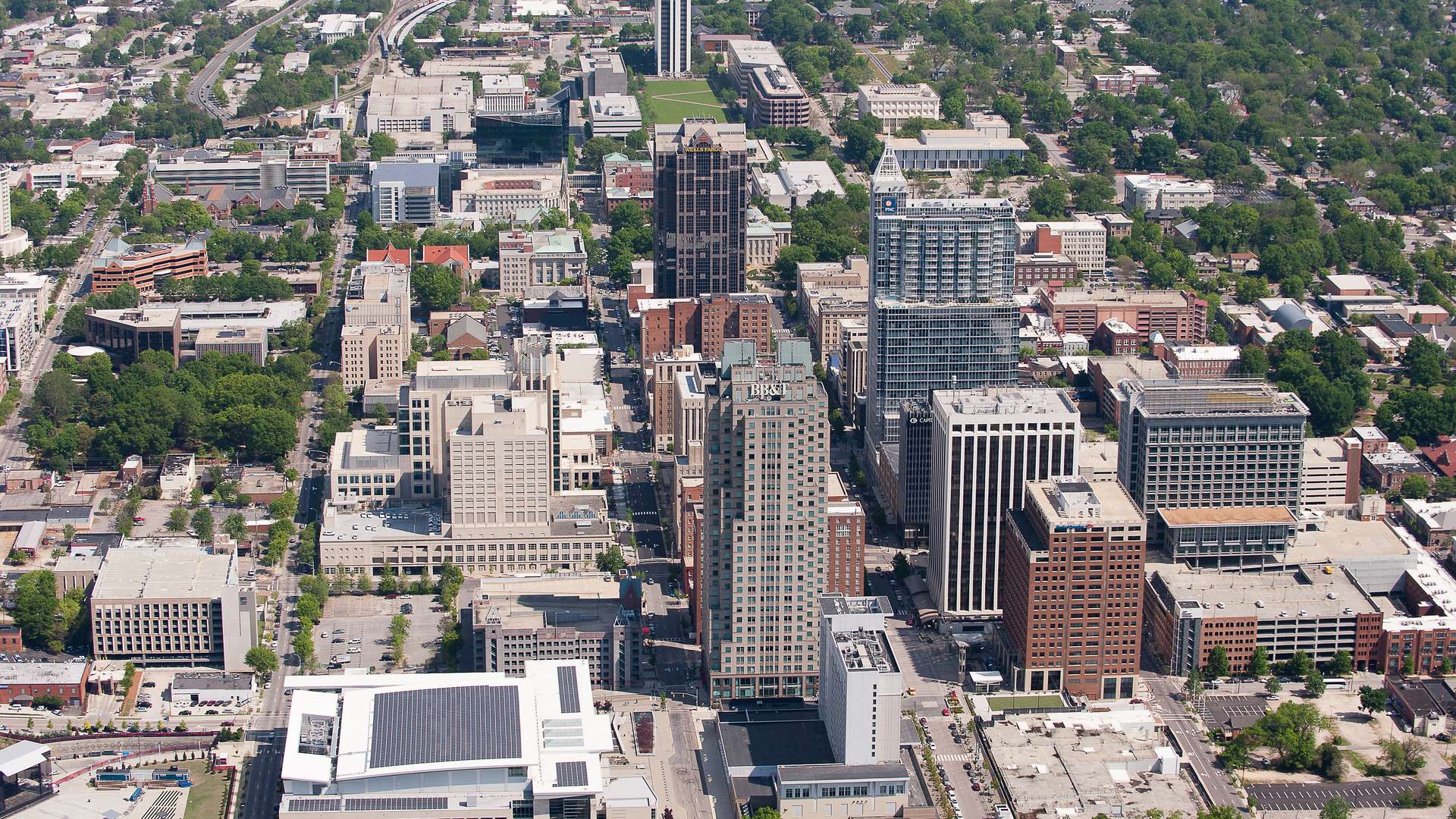
Mike Cline, the state demographer for North Carolina, told The Washington Post that “people typically move for jobs and family.”
While this growth was already seen before 2020, Cline said the COVID-19 pandemic spurred migration to his state, as well as other places in the South.
Meanwhile, cities in the South led the nation in building new housing units. The sharp increase in supply forced housing prices down.
Lawrence Yun, the National Realtors’ Association chief economist, said a good number of housing markets in the South experienced price cuts over the past year while still recording strong job growth.
A report issued by the NAR in May predicted this would lead to stronger housing market activity in the South for 2026.
Susan Wachter, a finance professor at the Wharton School at the University of Pennsylvania, attributed housing price cuts in the South to overbuilding in the region.
“The hottest pandemic boomtowns are now feeling the coldest slowdown,” she told Straight Arrow. “A differentiator among these formerly hot markets is that many, mostly in the Sunbelt, need to absorb excess supply, while other markets, like many in the mountain states, need skyrocketing prices to come down.”
Round out your reading
- Not red or blue: America’s politically homeless middle.
- Peter Thiel’s ‘Dialog’ network was super-secret. A data leak changed that.
- The novel legal strategy that Taylor Swift and Matthew McConaughey are using to fight AI.
- Illinois balances budget with new $200 million social media tax that tracks in-state users.
- When Trump serves up ‘Just the News,’ it comes with a side of bias.