

Just 1,700 lawyers practice in North Dakota, fewer than in any other state. Neighboring South Dakota counts barely 2,000.
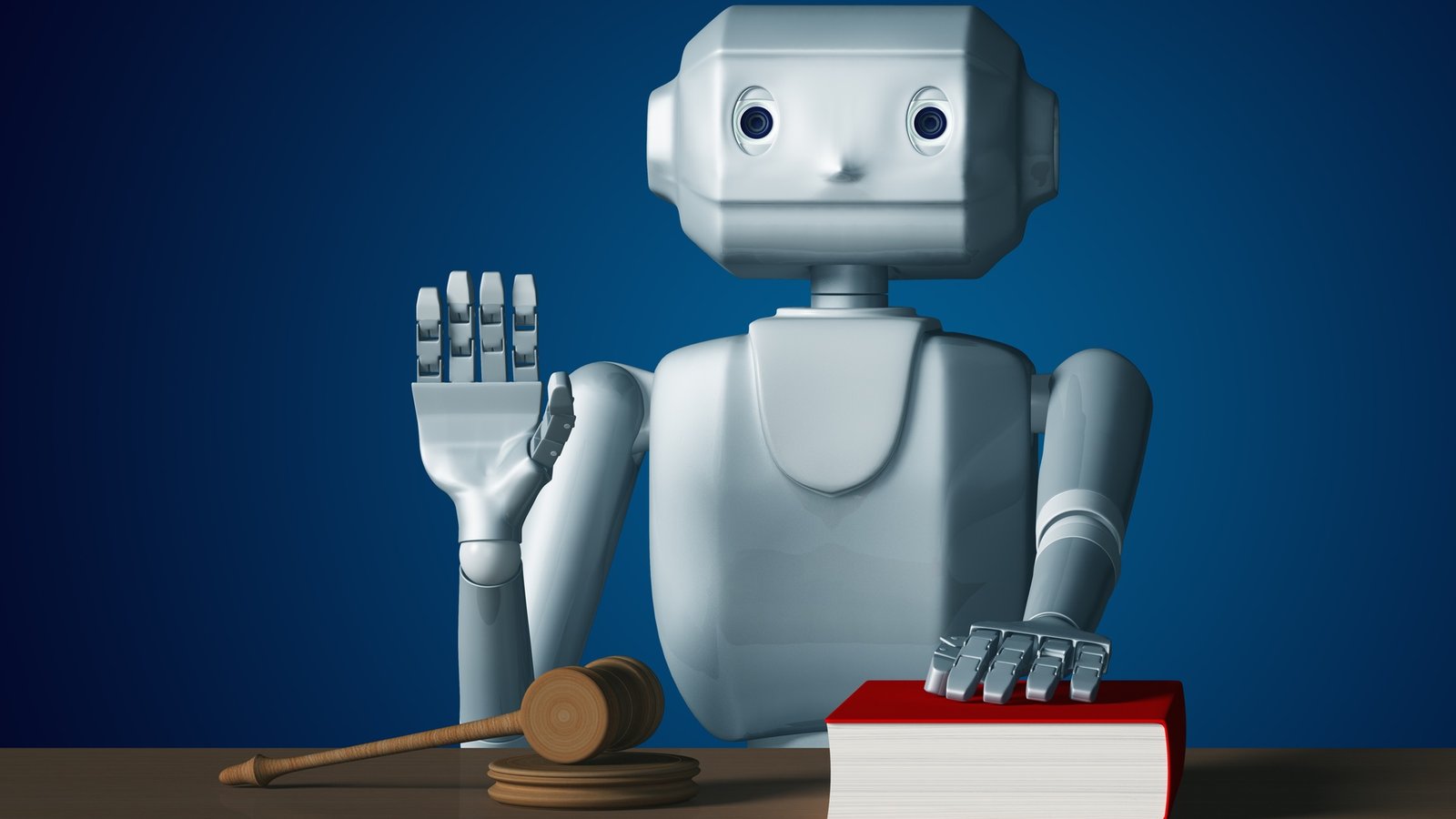
Yet the two sparsely populated Midwestern states have created more error-filled AI-generated legal documents than anywhere else in the nation, a new study shows.
California — a state with magnitudes more lawyers, as well as litigants — placed a distant third.
The study by Laine AI, a commercial platform that uses artificial intelligence to draft and review legal documents, shows that the number of court filings that contain AI hallucinations and other AI-generated errors is skyrocketing in much of the U.S. Even so, the Dakotas maintain the dubious honor of leading the nation.
Courts in North Dakota have cited 109 cases with AI slop since 2023, the report said. That compares to 82 in South Dakota, 59 in California, 52 in South Carolina and 26 each in Michigan and Washington state. The report found 44 cases in federal courts with documented AI hallucinations.
“North Dakota and South Dakota were unexpected leaders in the data,” Dominique Lecocq, Laine AI’s founder, told Straight Arrow. “This is likely influenced by the size of the legal markets and the visibility of documented cases, rather than indicating that lawyers in those states are more prone to AI-related mistakes. What the findings do show is that AI filing errors are emerging across the legal profession, highlighting the importance of human oversight and verification when using generative AI tools in legal work.”
And it’s not just lawyers. The report found that more than 60% of documented AI errors were in documents submitted by people representing themselves in court, without the help of a licensed lawyer.
Growing tension over AI use
The report patterns in AI hallucinations by state, but it does not find the causes, Laine AI spokesperson Trang Pham told Straight Arrow. According to Pham, human analysts reviewed and validated the findings, working with a dataset from AI Hallucination Cases, a website maintained by the legal technologist and researcher Damien Charlotin. .
Analysts’ tasks include “validating and standardizing records, normalizing state-level entries, reviewing classifications (including sanctions and case types), and aggregating the data for state-level and time-trend analysis,” Pham said.
The research showed the number of AI-related court filing errors is surging. In the first quarter of 2025, the study shows just 25 examples. That number grew to 249 in the fourth quarter of last year, and another 237 cases were recorded in the first quarter of 2026.
The numbers highlight a growing tension in the legal field as more attorneys and litigants are relying on AI to do their work — without adequately factchecking AI’s work.
There are currently no federal laws prohibiting the use of AI in legal filings. However, a patchwork of state rules and ethics guidelines has emerged.
The State Bar of California was the first state regulatory body to issue guidance on AI. The organization, which oversees the licensing and discipline of California attorneys, issued formal AI guidance in 2023.
“In California, regardless of whether attorneys use technology in their work, including generative artificial intelligence, they remain responsible for their work product,” George Cardona, chief trial counsel for the State Bar of California, told Straight Arrow for a story published in March.
In 2024, the American Bar Association (ABA) issued its first formal ethics opinion on lawyers’ use of AI. The ABA opinion said AI use requires human oversight and fact-checking.
The constant messaging seems to be straightforward: Using AI in assisting with legal documents is not barred, but lawyers and people representing themselves remain on the hook — to some extent — to make sure the work is factual and correct.
Courts have sanctioned lawyers in a variety of ways for submitting documents that lean on AI that produces inaccurate or completely false information. Lawyers are typically fined, but some have been barred from practicing in certain courts for a period of time.
One of the earliest high-profile examples of AI misuse in legal filings came to light in 2023, when a federal judge fined two New York attorneys $5,000 for submitting documents that contained fictitious case law and legal arguments. Since then, similar cases have piled up.
Round out your reading
- Could a common dietary supplement accelerate Alzheimer’s?
- NY AG Letitia James gets hundreds of taunts, racial slurs in ICE public reporting portal.
- As Musk becomes the first trillionaire, historian sees warning signs.
- An experimental weight loss drug is so effective, many Americans don’t care it’s not FDA approved.
- How search engine optimization reduced Simone Biles to an ‘NFL wife’.