

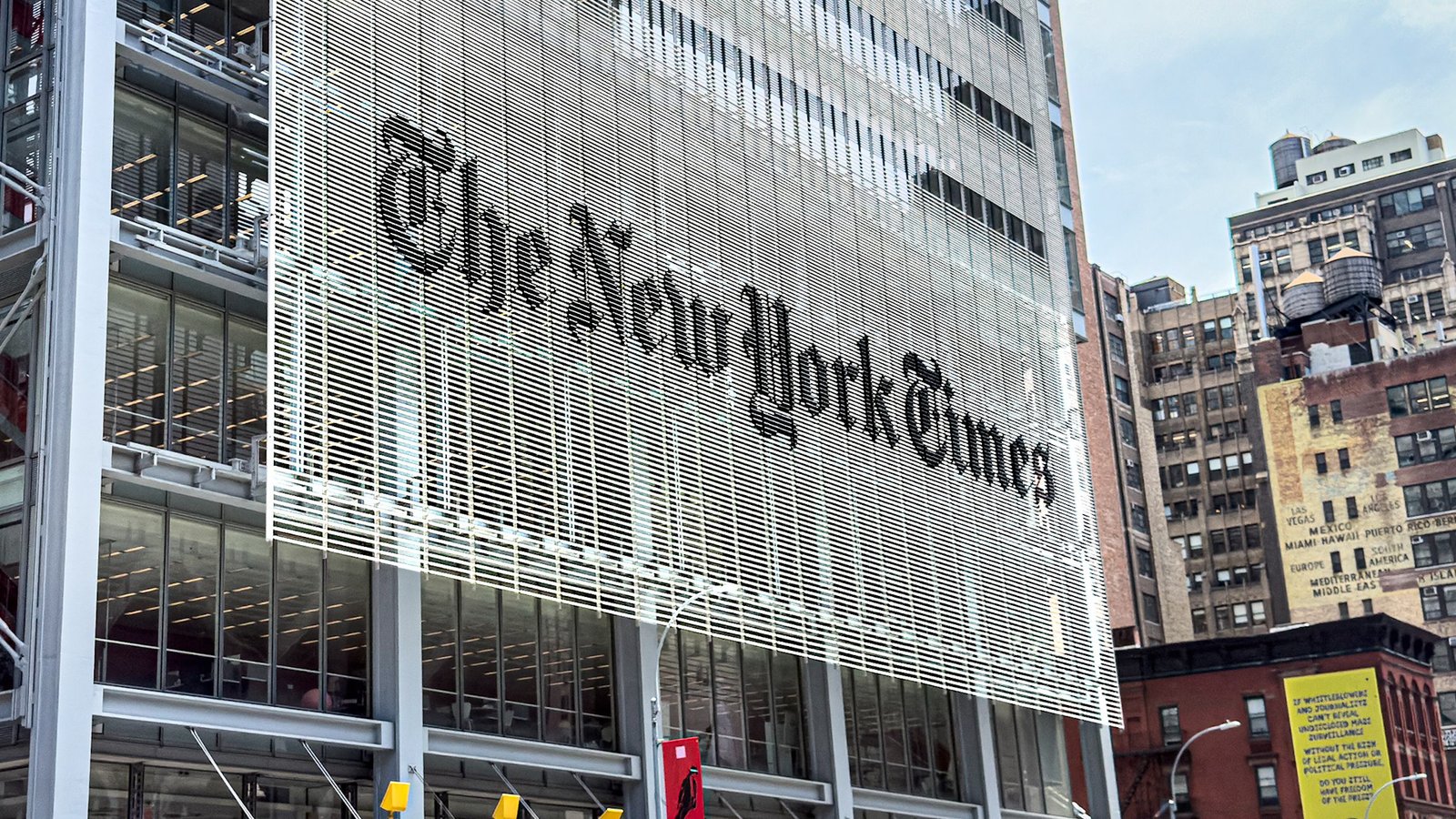
The New York Times filed a federal lawsuit against the Department of Defense, seeking a court order blocking new press rules that the paper says violate the First and Fifth Amendments. The suit argues the policy threatens to punish journalists for reporting information that the government has not formally approved.
At the center of the dispute is a 21-page agreement the Pentagon began requiring reporters to sign in October. According to the Times, the policy bars journalists from making “calls for tips” to employees and claims the First Amendment does not protect the “solicitation” of nonpublic information, even if it is unclassified. The rules also allow the department to label non-compliant reporters as a “security or safety risk.”
Who’s suing and why
Filed in federal court in Washington, the lawsuit names the Times and national security reporter Julian E. Barnes as plaintiffs. They are seeking an immediate injunction blocking the policy’s enforcement.
A spokesperson for the Times said that the rules amount to “an attempt to exert control over reporting the government dislikes.”
How tensions built
Tensions have been mounting for months. Defense Secretary Pete Hegseth had sharply reduced access to the Pentagon and removed several news outlets from shared workspaces. When the new signature requirement rolled out in October, NPR reports that dozens of correspondents from major networks, including CNN, Fox News and The Associated Press, surrendered their badges in protest rather than sign.
In the aftermath, the Pentagon granted credentials to a new slate of outlets. The Washington Post reported the group includes right-leaning organizations and personalities such as Human Events, The Gateway Pundit and activist Laura Loomer. During a recent briefing, the Pentagon press secretary criticized legacy outlets for refusing to comply, NPR reported.
The Pentagon’s response
Pentagon officials maintain the policy is necessary for security. Spokesman Sean Parnell told The Washington Post the guidelines are “common-sense” measures to protect personnel.
In correspondence cited in the lawsuit, Parnell said the rules are not intended to curb legitimate reporting but to prevent “active solicitation” of leaks that encourage employees to violate the law.
A wider fight over press access
This clash follows previous legal battles over government press restrictions. Courts intervened during the first Trump administration when the White House attempted to revoke press credentials from several reporters.
Despite limited access under the new policy, mainstream outlets have continued publishing major Pentagon stories, including reporting on Hegseth’s use of private messaging apps to plan military operations.
The post The New York Times sues Pentagon over press restrictions appeared first on Straight Arrow News.